
Photos from current listings. Actual item, color, and included accessories may vary.
Weed Blocker Buying Guide
Weed blocker fabric is a woven or non-woven geotextile barrier that suppresses weeds by blocking light while allowing water and air through. The core trade-off is weight and material: light 1–2 oz spunbond tears and photodegrades fast, while 3.2 oz woven polypropylene and 70–100 g/m² HDPE deliver multi-season durability with high permeability. Buy 3.2 oz woven PP or 70 g HDPE for permanent beds and under gravel; skip sub-2 oz non-woven for anything beyond one season.
Median $99.99
Key takeaways
- Woven PP at 3.2 oz (approx. 90–110 g/m²) resists punctures and UV degradation far better than 1–2 oz spunbond non-woven, which tears at stakes and breaks down within a season.
- HDPE at 70 g/m² (about 2 oz) is a spunbond-style sheet with high tensile strength; it blocks light fully but has lower tear resistance than 3.2 oz woven PP under gravel or foot traffic.
- High-permeability woven fabric passes water and air at rates that prevent pooling and root rot, while solid plastic film (polyethylene sheeting) starves soil of oxygen and kills beneficial biology.
At a glance
- Category
- Garden Tools
- Last updated
- Nov 28, 2026
Current offers
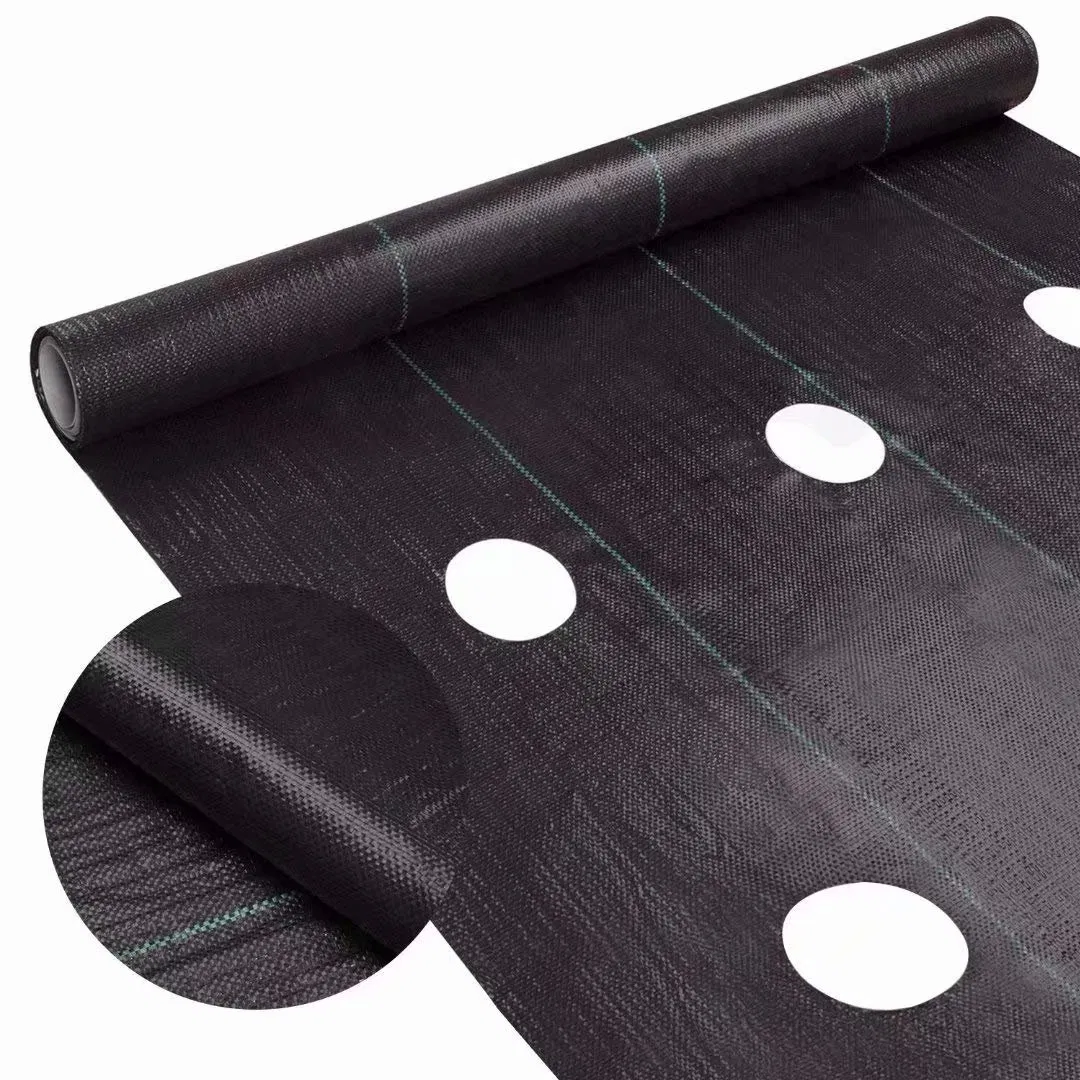 3 ft. x 12 ft. Easy-Plant Weed Block Mulch Barrier Fabric with Planting Hole 6 in. Dia, 2.9 oz.$18.99View on Mallflare
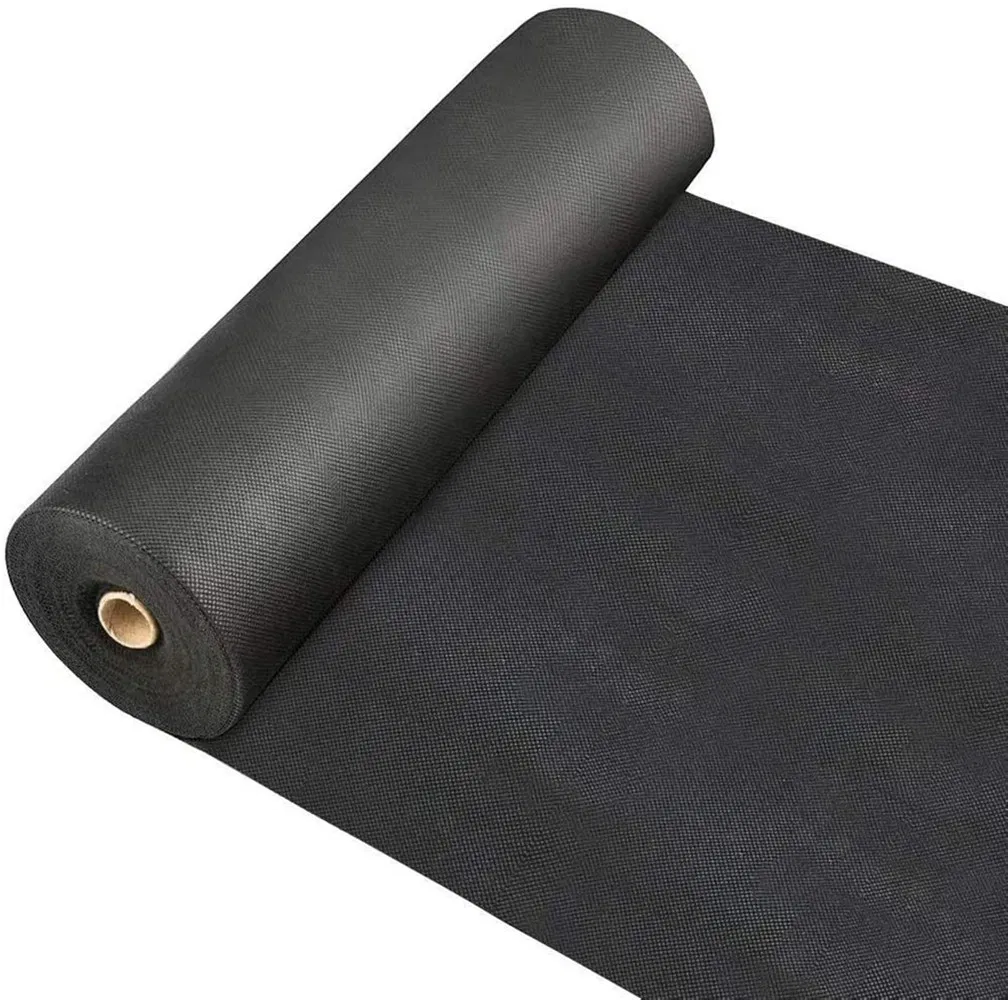 2.3 oz. Non-woven Fabric Weed Barrier Landscape$23.99View on Mallflare
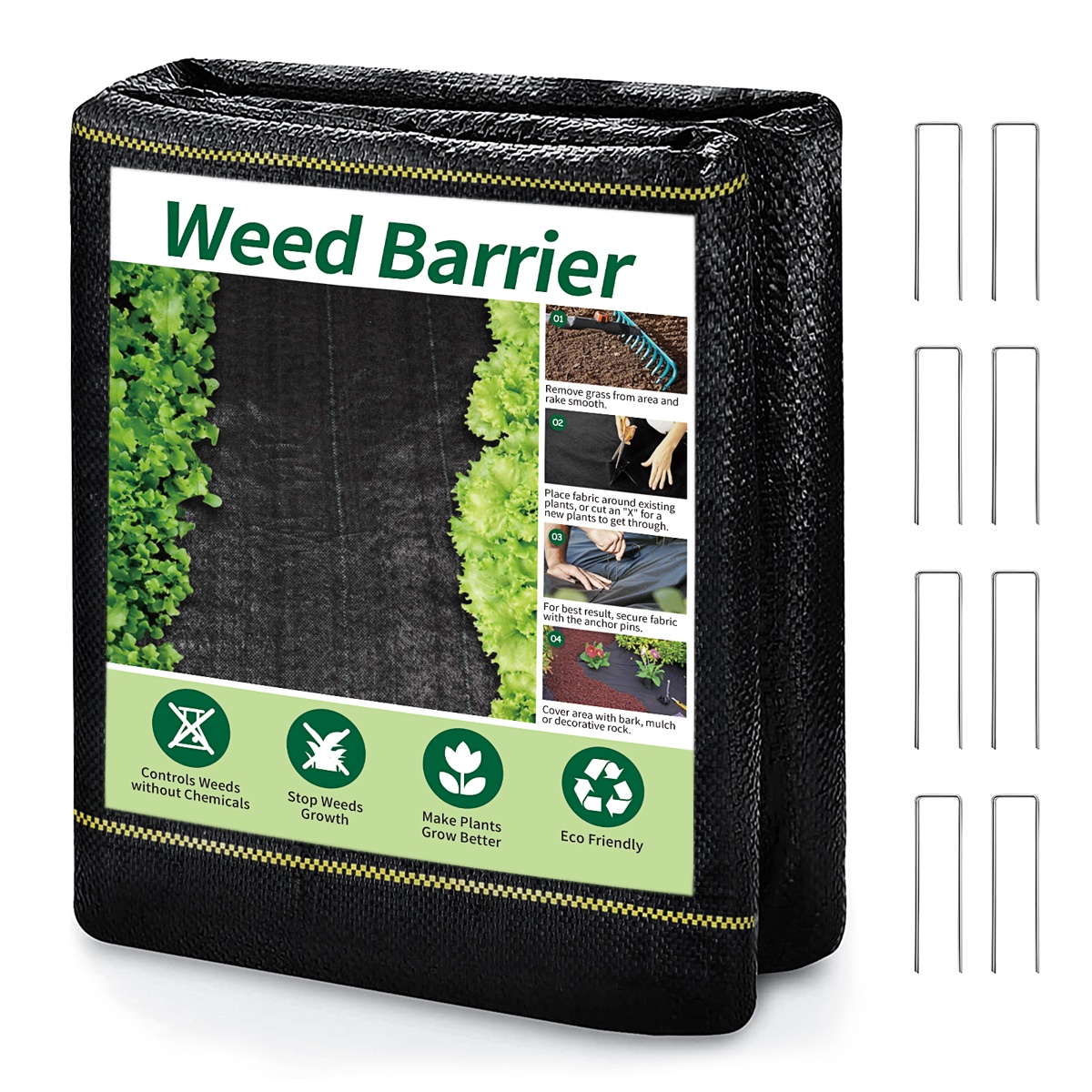 XISHAN 4'X50' Black HDPE 70 Gram Weed Barrier Fabric$50.99View on Mallflare
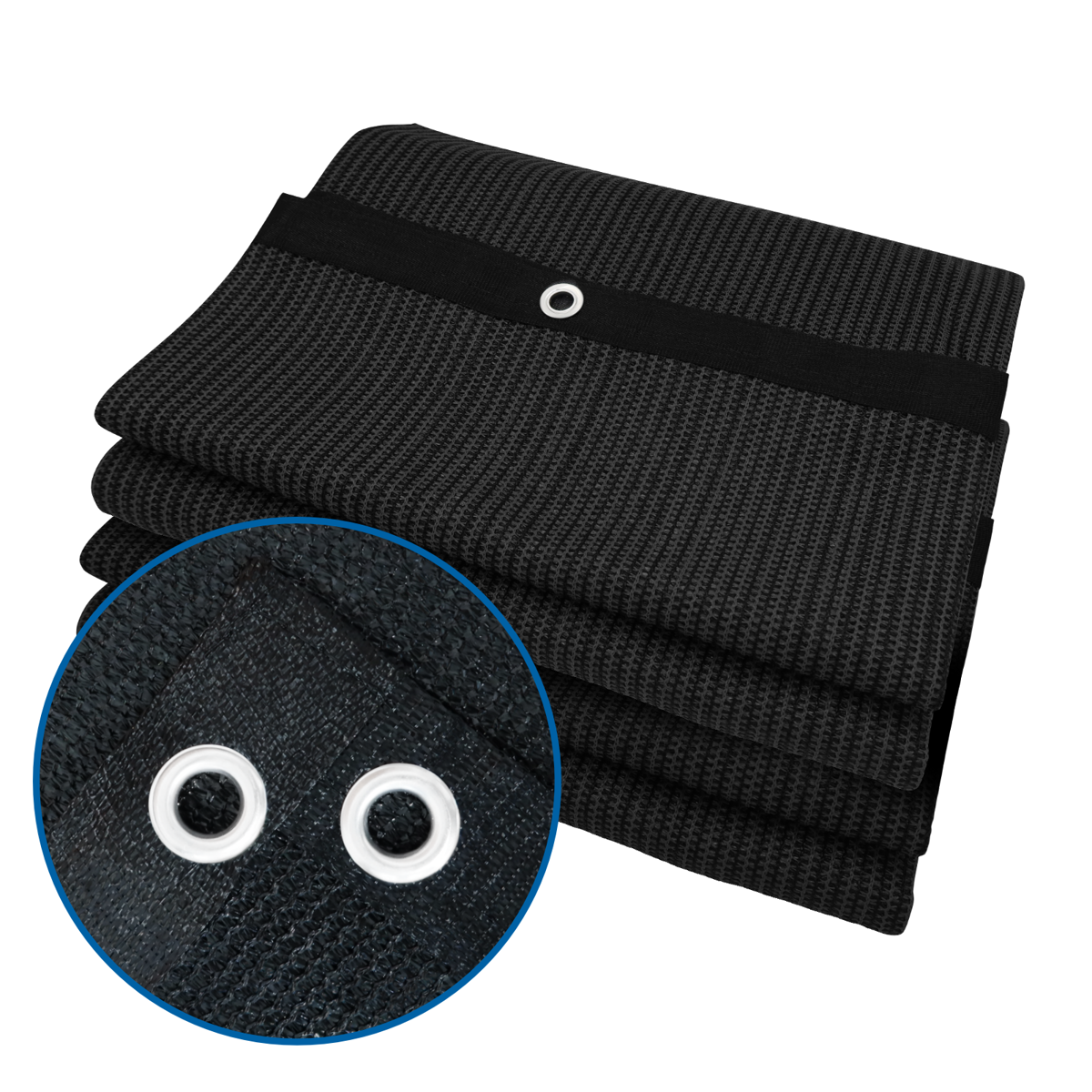 XISHAN Black Weed Control Fabric, HDPE$52.99View on Mallflare
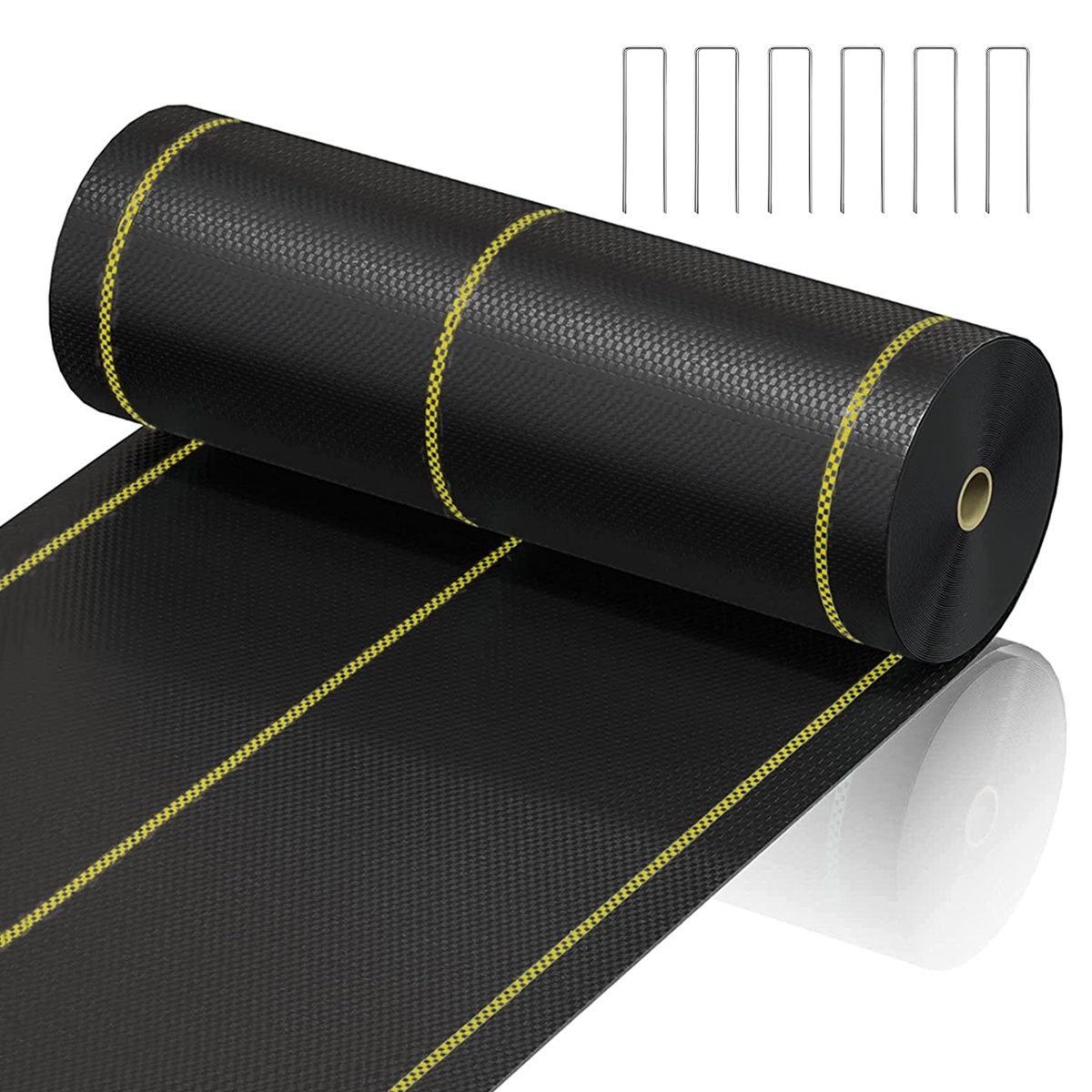 XISHAN Black Weed Control Fabric,70g HDPE$58.99View on Mallflare
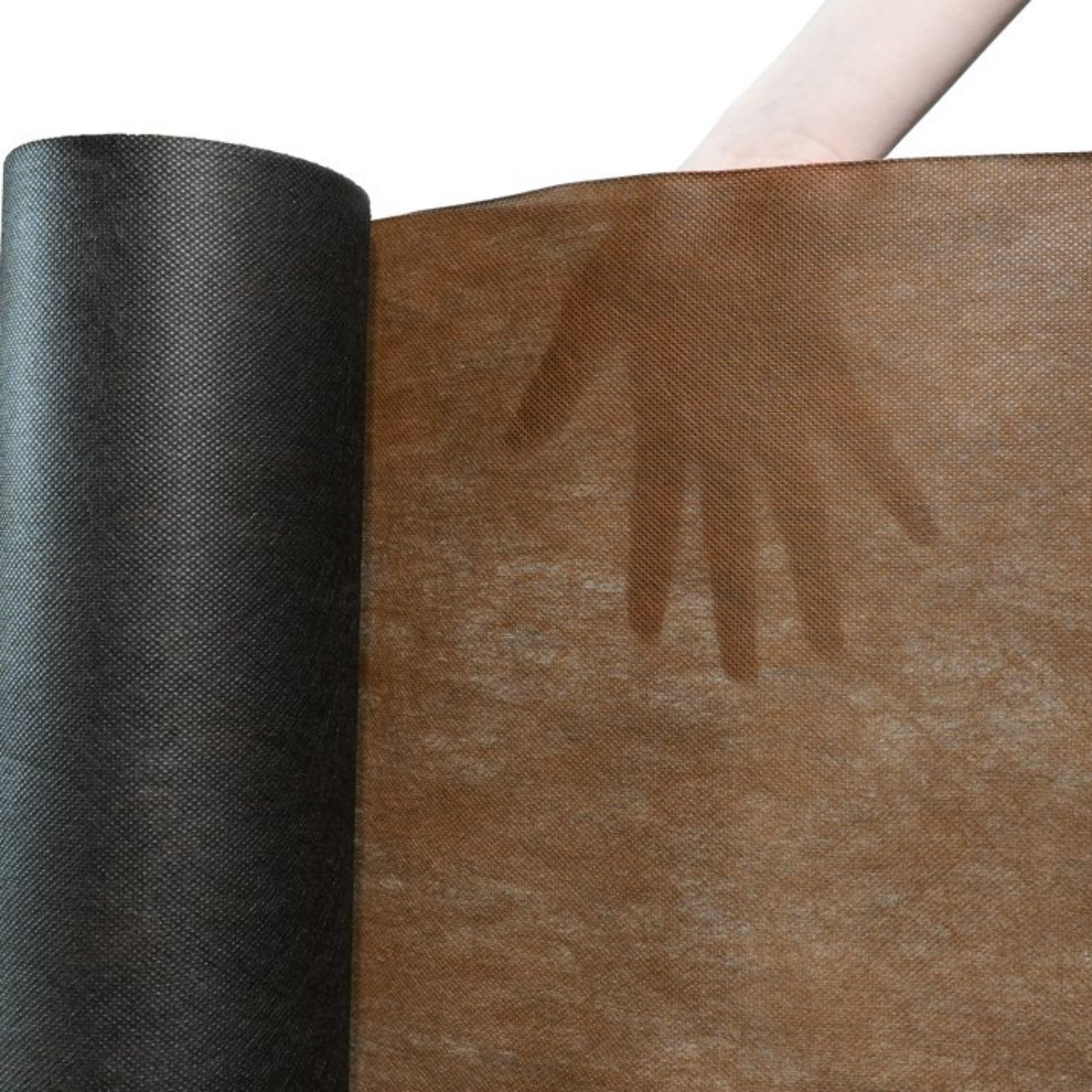 3' x 150' Professional Weed Barrier Fabric, Dual Color, Enhanced UV Protection$71.99View on Mallflare
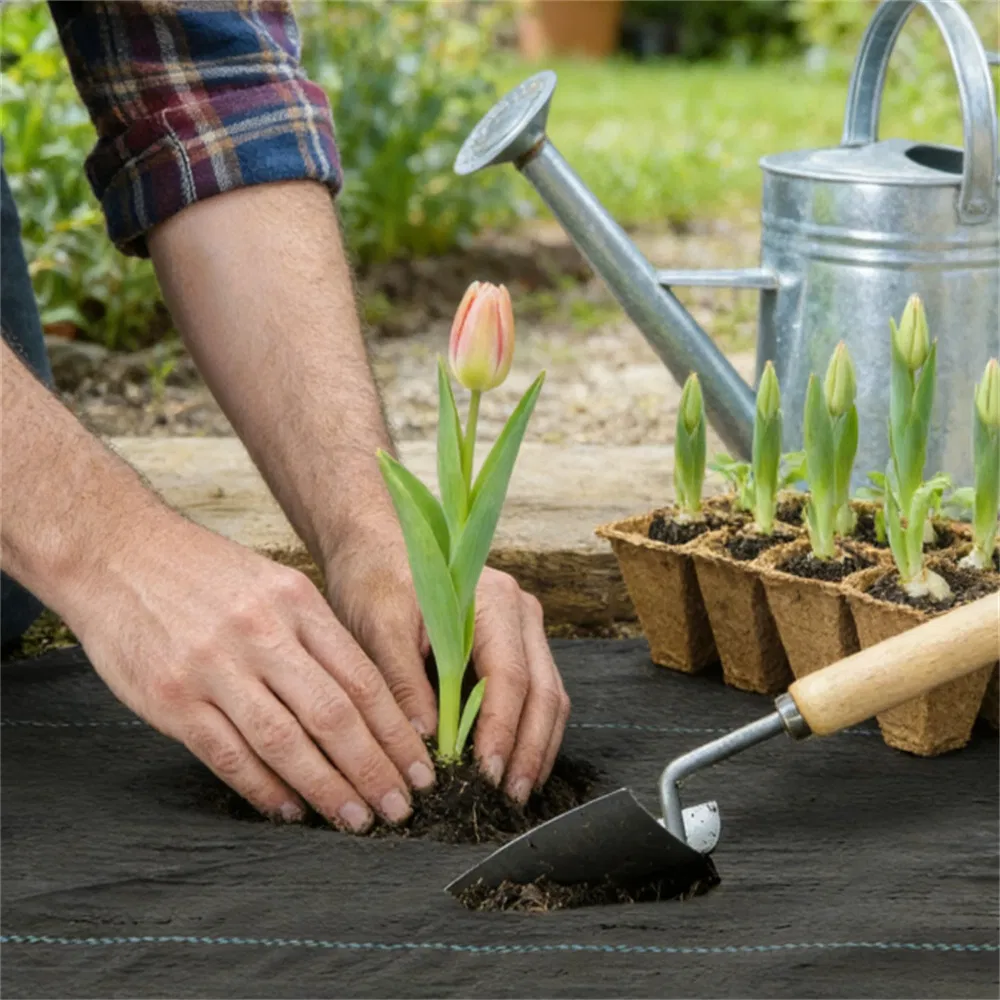 Weed Barrier Landscape Fabric$93.99View on Mallflare
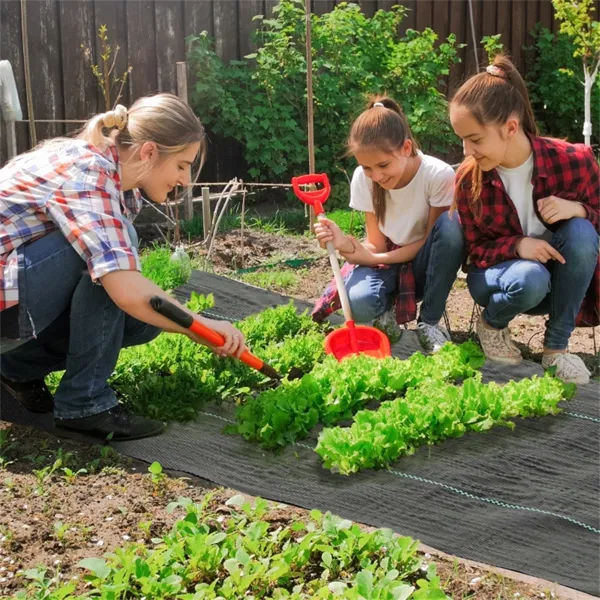 Weed Barrier$99.99View on Mallflare
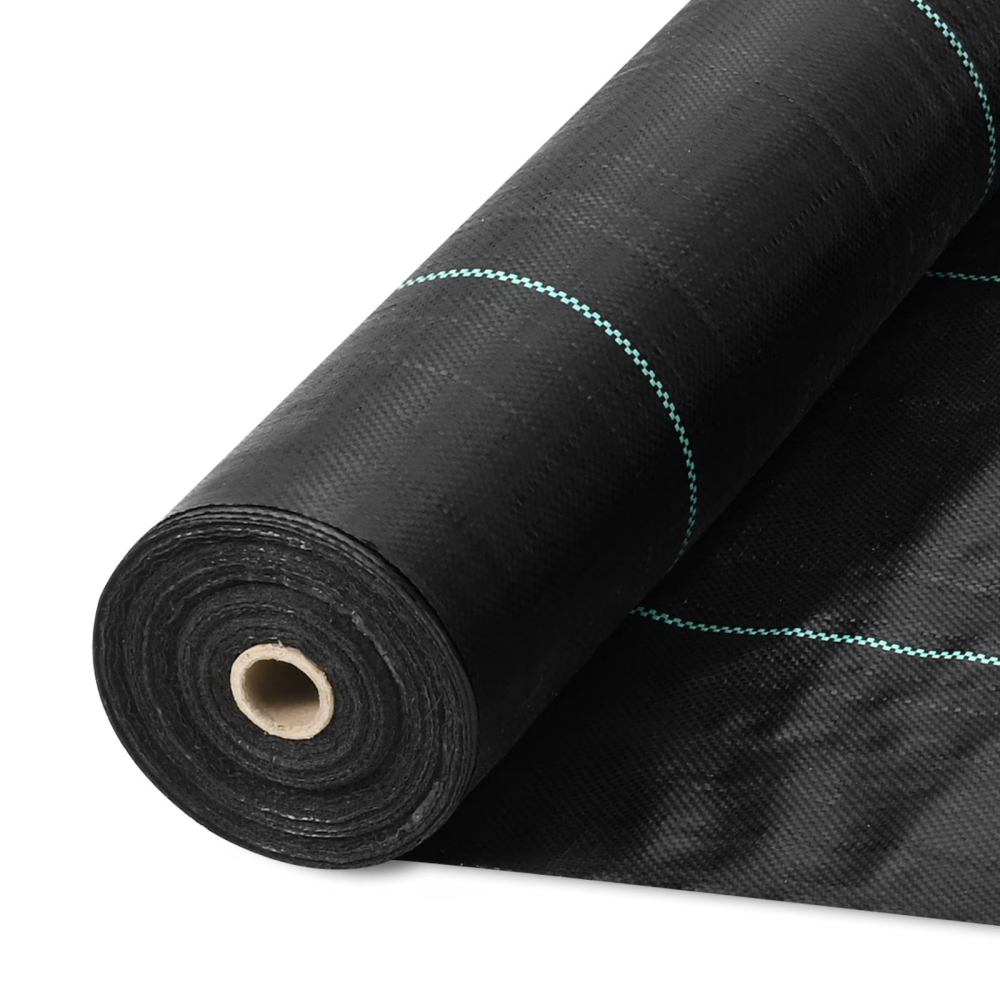 3.2OZ Woven Weed Barrier Landscape Fabric 6 x 100FT, High Permeability Control Mat with Green Guide Lines, Heavy Duty Garden Ground Cover for Flower Bed Driveway Agriculture$99.99View on Mallflare
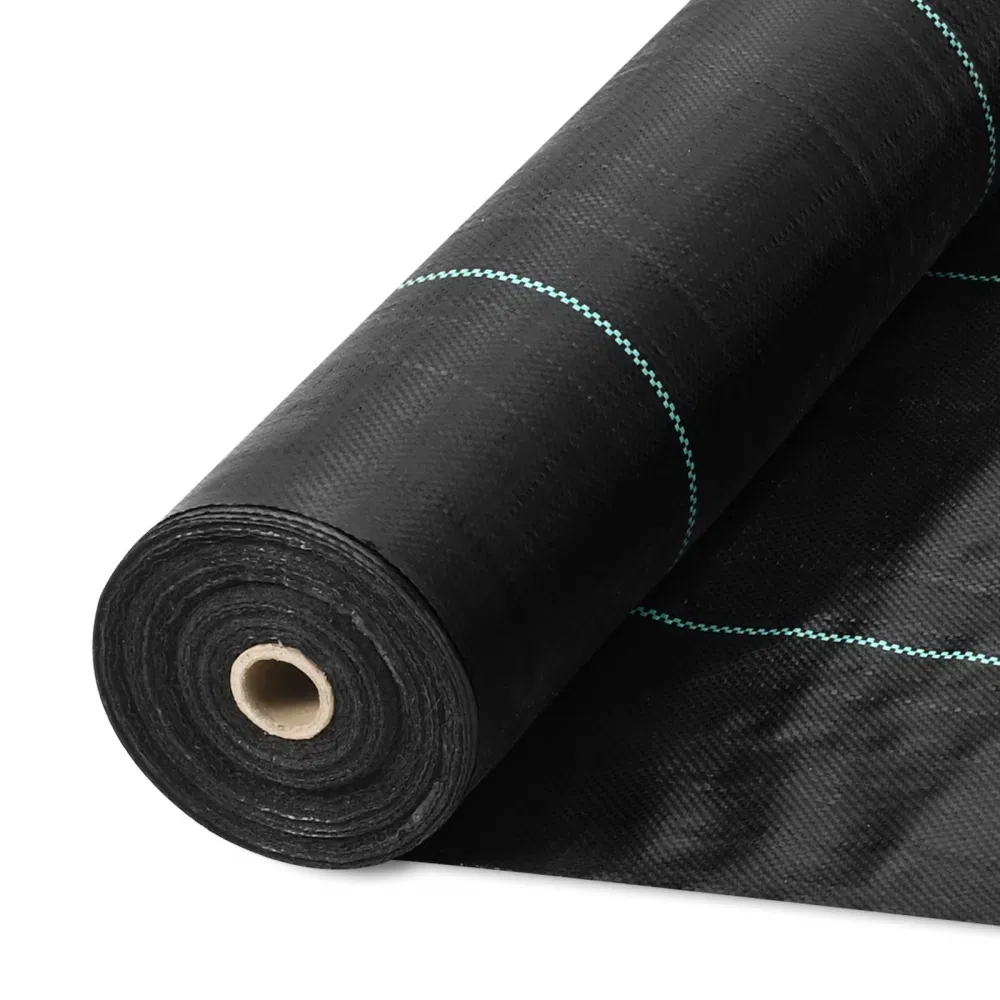 3.2OZ Woven Weed Barrier Landscape Fabric 6 x 100FT, High Permeability Control Mat with Green Guide Lines, Heavy DutyGardenGround Cover for Flower Bed Driveway Agriculture$104.99View on Mallflare
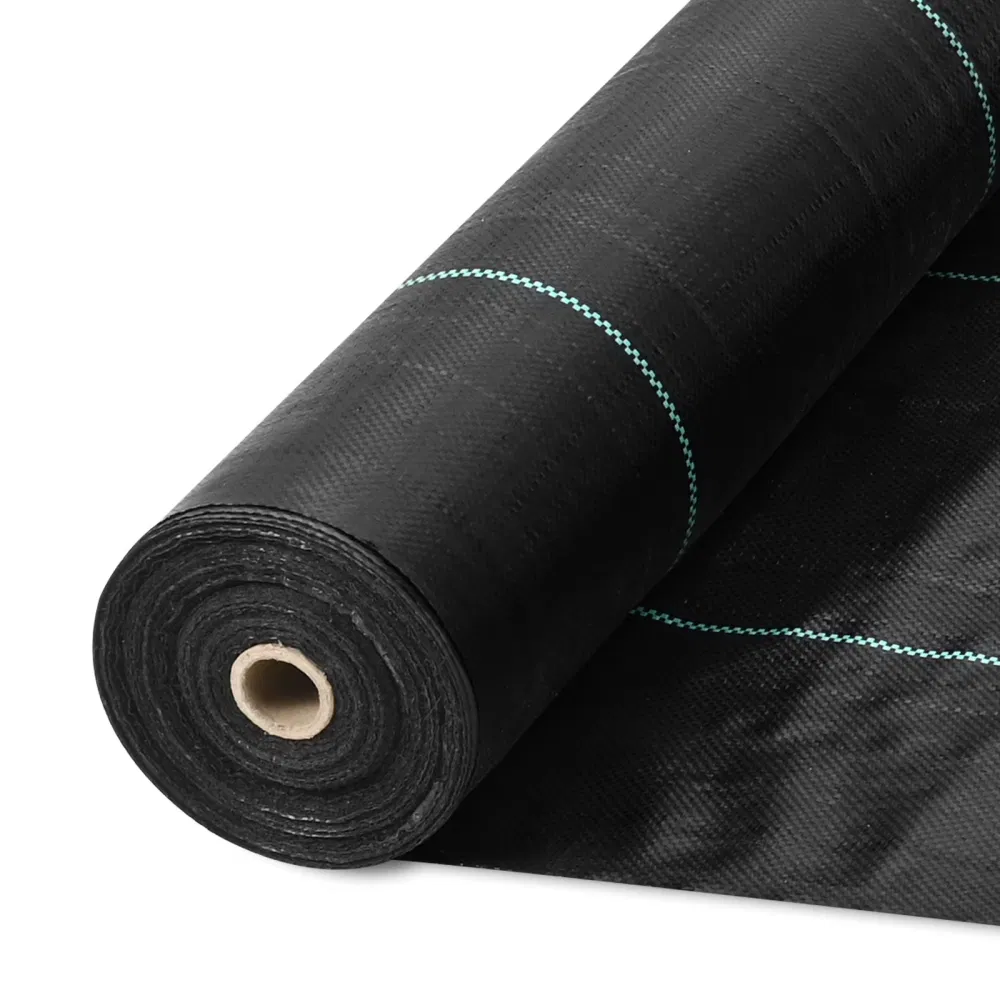 Weed Barrier Landscape Fabric 6x100ft, 3.2oz Heavy Duty Woven PP Geotextile Control Mat, High Permeability for Flower Beds and Gardens, Black$106.99View on Mallflare
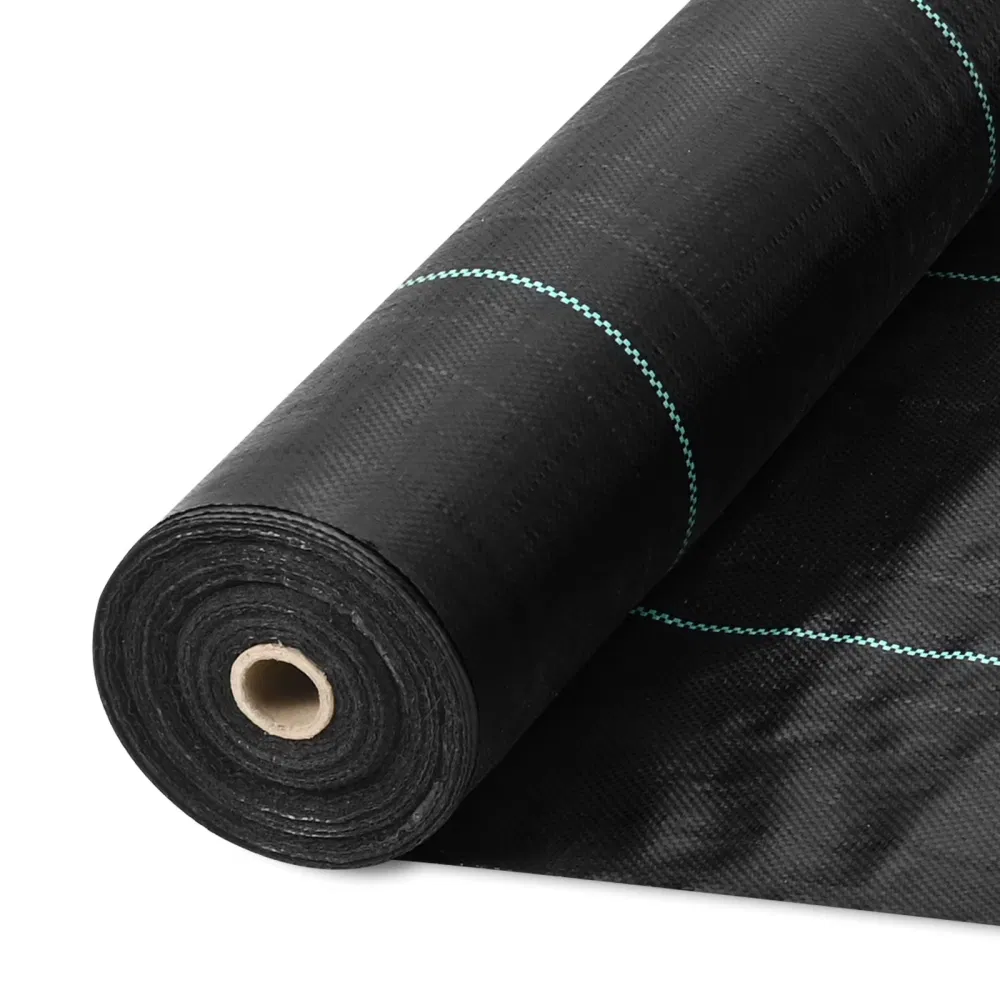 Weed Barrier Landscape Fabric 4x300ft, 3.2oz Heavy Duty Woven PP Geotextile Control Mat, High Permeability for Flower Beds and Gardens, Black$111.99View on Mallflare
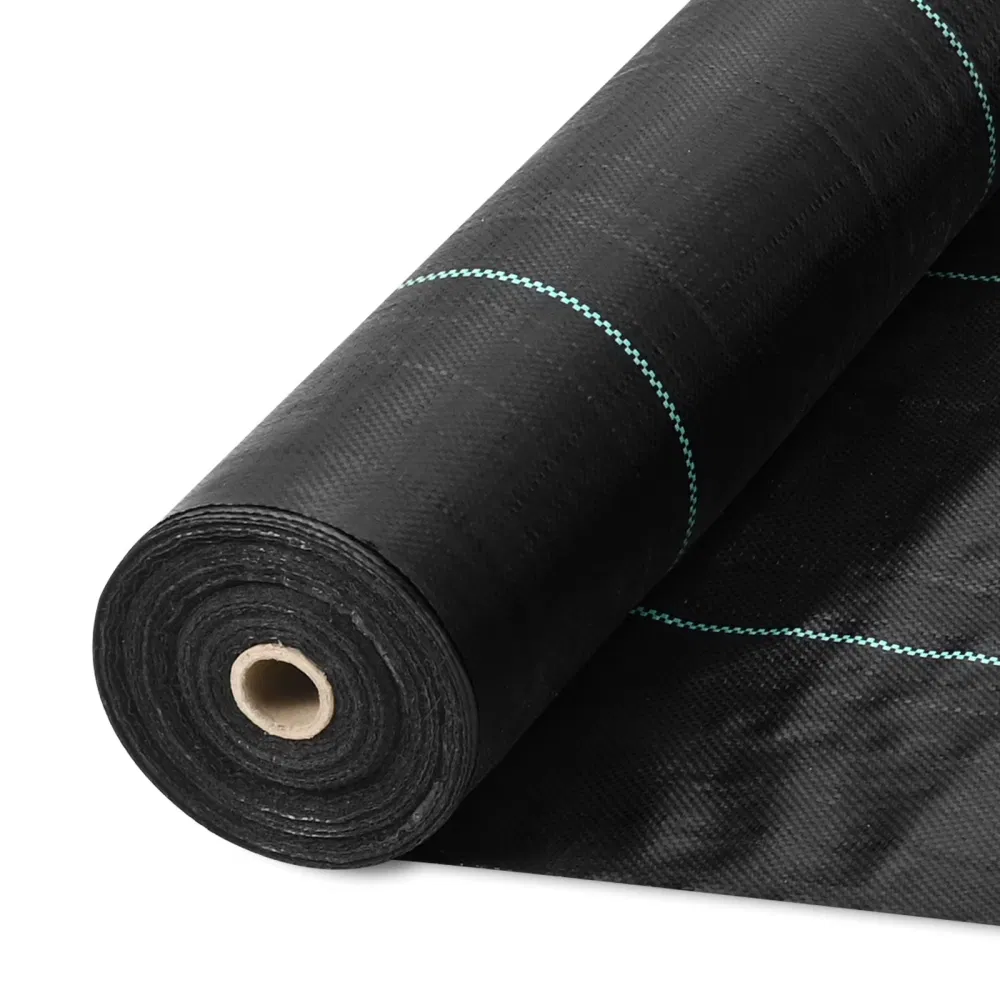 4 x 300 ft Weed Barrier Landscape Material, 3.2 oz Woven Geotextile Fabric Beneath Gravel, Garden Restriction Mat, Driveway$114.99View on Mallflare
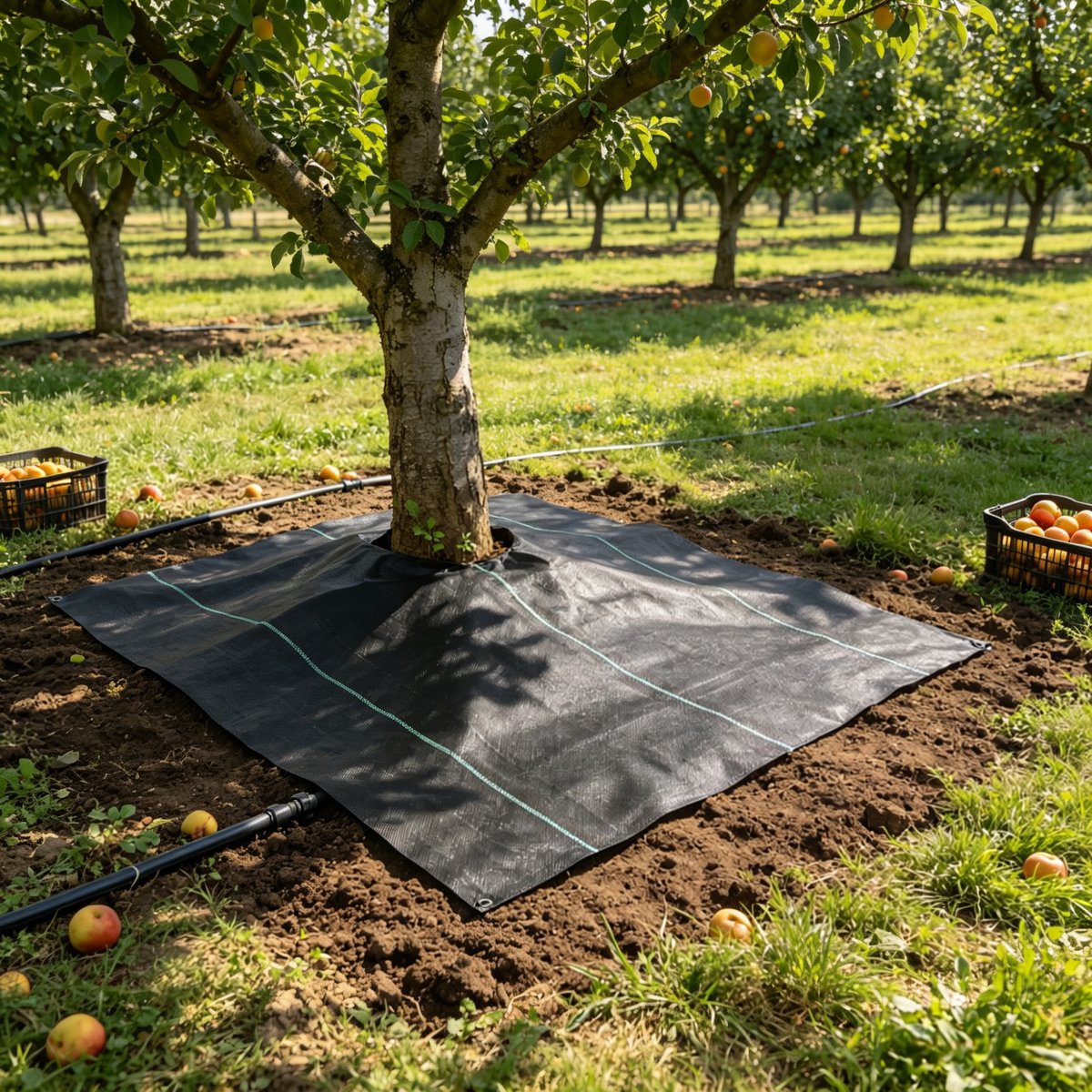 4FT x 300FT Weed Barrier Landscape Fabric, High Permeability Mat for Garden & Driveway$119.99View on Mallflare
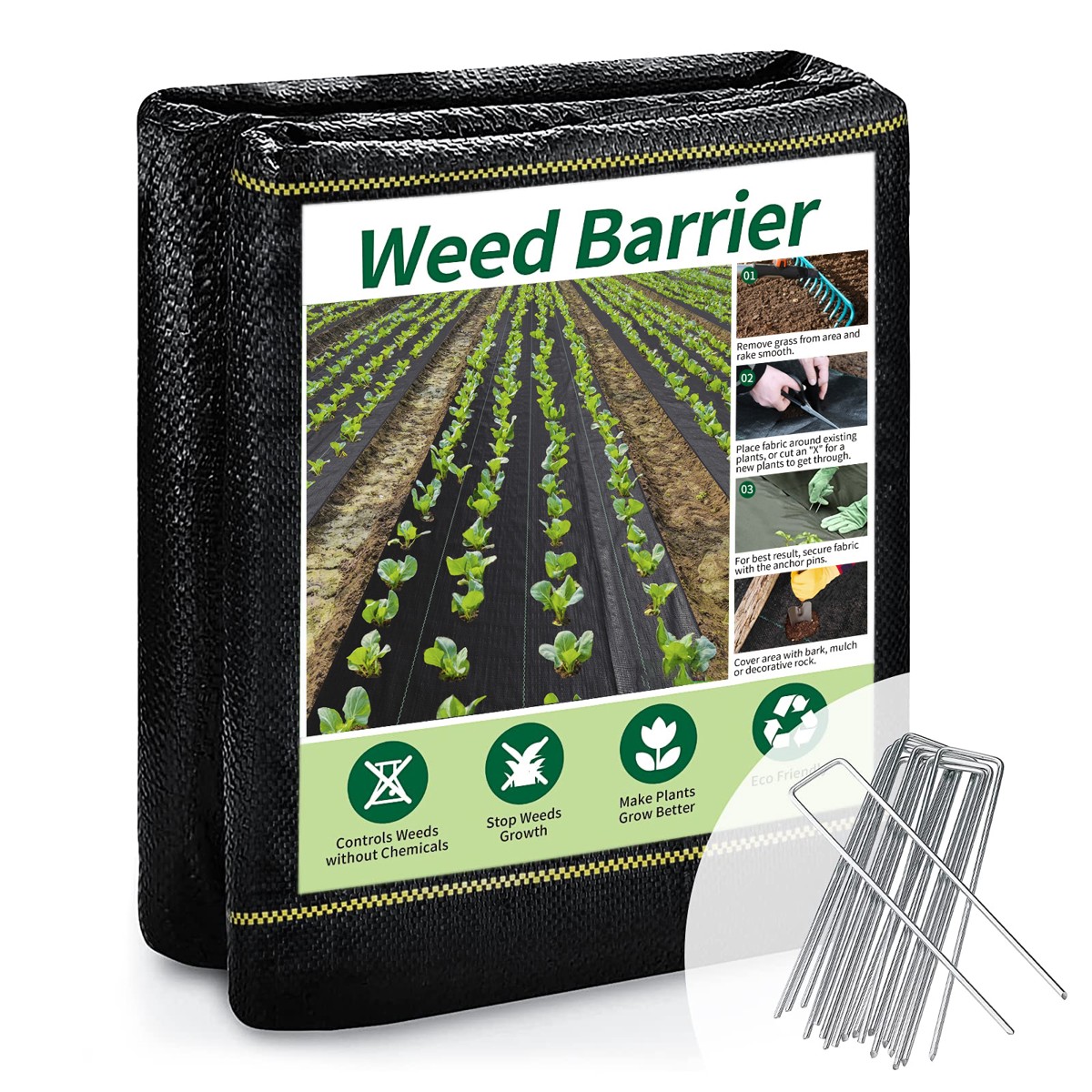 XISHAN Black Weed Control Fabric, 90g HDPE$126.99View on Mallflare
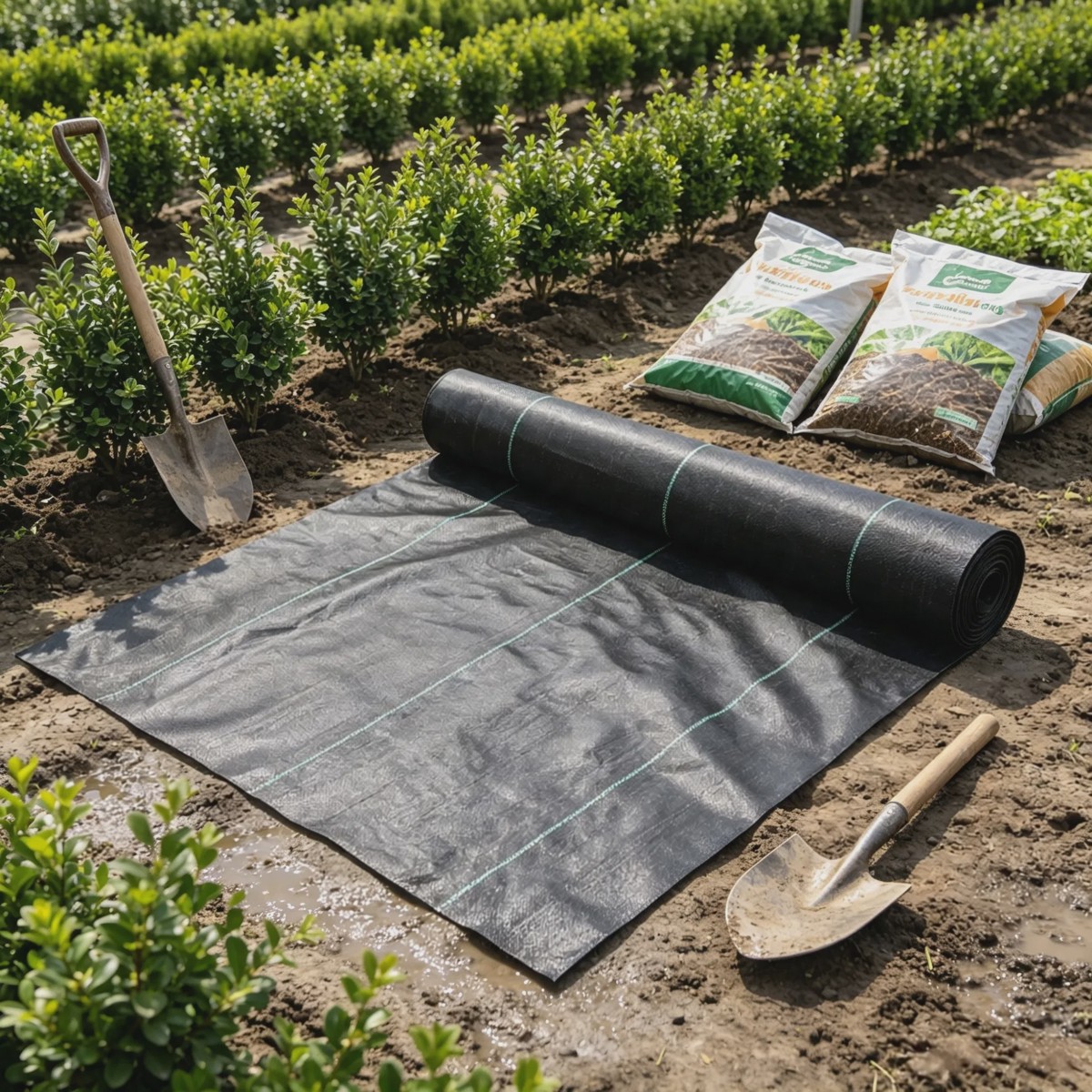 13FT x 108FT Heavy Duty Weed Barrier Fabric$170.99View on Mallflare
Highlights
- Woven PP at 3.2 oz (approx. 90–110 g/m²) resists punctures and UV degradation far better than 1–2 oz spunbond non-woven, which tears at stakes and breaks down within a season.
- HDPE at 70 g/m² (about 2 oz) is a spunbond-style sheet with high tensile strength; it blocks light fully but has lower tear resistance than 3.2 oz woven PP under gravel or foot traffic.
- High-permeability woven fabric passes water and air at rates that prevent pooling and root rot, while solid plastic film (polyethylene sheeting) starves soil of oxygen and kills beneficial biology.
- Roll width and length drive coverage math: 3 ft suits narrow paths and single-row beds, 4 ft fits standard 4 ft raised beds, 6 ft covers wide beds and driveways; 100 ft rolls cover most home projects, 300 ft rolls suit large areas.
Best use cases
- Permanent flower beds and under gravel or mulch: choose 3.2 oz woven PP or 70 g HDPE in 4 ft or 6 ft width; skip 1–2 oz non-woven, which shreds under aggregate.
- Vegetable gardens and annual beds: choose high-permeability 3.2 oz woven PP so water and air reach roots; skip solid black polyethylene film, which suffocates soil and channels runoff.
- Driveways, paths, and under pavers: choose 3.2 oz woven PP with high tensile strength in 6 ft width; skip light landscape fabric that rucks and tears under wheel loads.
- Temporary single-season weed suppression or budget cover: 70 g HDPE in 3 ft width is acceptable; skip it for gravel or high-traffic areas where tear strength matters.
Buying tips
- Match weight to duty: 3.2 oz (approx. 90–110 g/m²) woven PP for permanent beds and gravel; 70 g/m² HDPE for beds and temporary cover; avoid anything under 2 oz for outdoor exposure.
- Calculate roll length: multiply bed length by number of strips needed at your roll width, then add 10–15% overlap; a 4 ft × 100 ft roll covers about 400 sq ft before overlap.
- Choose width to minimize seams: 4 ft fits standard raised beds and 3 ft fits paths; 6 ft covers wide beds and driveways, reducing overlap waste and weed creep at seams.
- Prefer woven PP or HDPE over solid polyethylene film; woven geotextiles are engineered for high permeability and UV resistance, while film blocks water and air.
Specs
| Material | Woven PP vs HDPE vs non-woven |
|---|---|
| Fabric Weight | 3.2 oz (90-110 g/m²) heavy duty |
| Roll Width | 3 ft / 4 ft / 6 ft |
| Roll Length | 100 ft / 150 ft / 300 ft |
Related searches
What to check before buying
- Measure bed length and width, then divide by roll width and add 10–15% for overlap; confirm the roll length covers the full run without piecing.
- Confirm the fabric is UV-stabilized and rated for exposed or mulch-covered use; unstabilized fabric degrades in one to two seasons.
- Check permeability rating or weave type: high-permeability woven PP or HDPE passes water; solid film or low-permeability fabric causes pooling.
- Plan edging, stakes, or landscape staples: woven fabric needs anchoring every 3–5 ft along edges and seams to prevent rucking and weed creep.
FAQ
Data sources: eBay / Amazon listings and product attribute feeds. Updated Nov 28, 2026.
Some links on this page are affiliate links. If you buy after clicking one, we may earn a commission at no extra cost to you. This does not change which products appear here or their order. Affiliate disclosure.