
Photos from current listings. Actual item, color, and included accessories may vary.
Landscape Fabric Buying Guide
Landscape fabric is a woven or non-woven geotextile used to suppress weeds, stabilize soil, and separate aggregate layers in beds, driveways, and under hardscapes. The core trade-off is between woven polypropylene (high strength, high permeability, UV-limited) and non-woven fabric (excellent filtration, lower tear strength), with weight class (3.2 oz vs 5 oz) dictating puncture resistance and lifespan. Choose a fabric rated for your exposure: 3.2 oz woven PP for seasonal vegetable beds and annual weed control, 5 oz+ woven or heavy non-woven for permanent gravel driveways and high-traffic paths.
Median $104.99
Key takeaways
- Woven PP geotextile at 3.2 oz (≈108 gsm) delivers 100–150 lb/in grab tensile strength—adequate for foot traffic and gravel confinement but prone to UV degradation after 1–2 seasons of direct sun.
- 5 oz woven PP (≈170 gsm) raises puncture resistance and tear strength by roughly 40–60%, extending service life to 3–5 years when covered by mulch or gravel.
- Non-woven needle-punched fabric offers superior water flow (>100 gpm/ft²) and soil filtration but has lower tensile strength; it is the correct choice under paver joints and French drains, not under driveway gravel.
At a glance
- Category
- Garden Tools
- Last updated
- Nov 28, 2026
Current offers
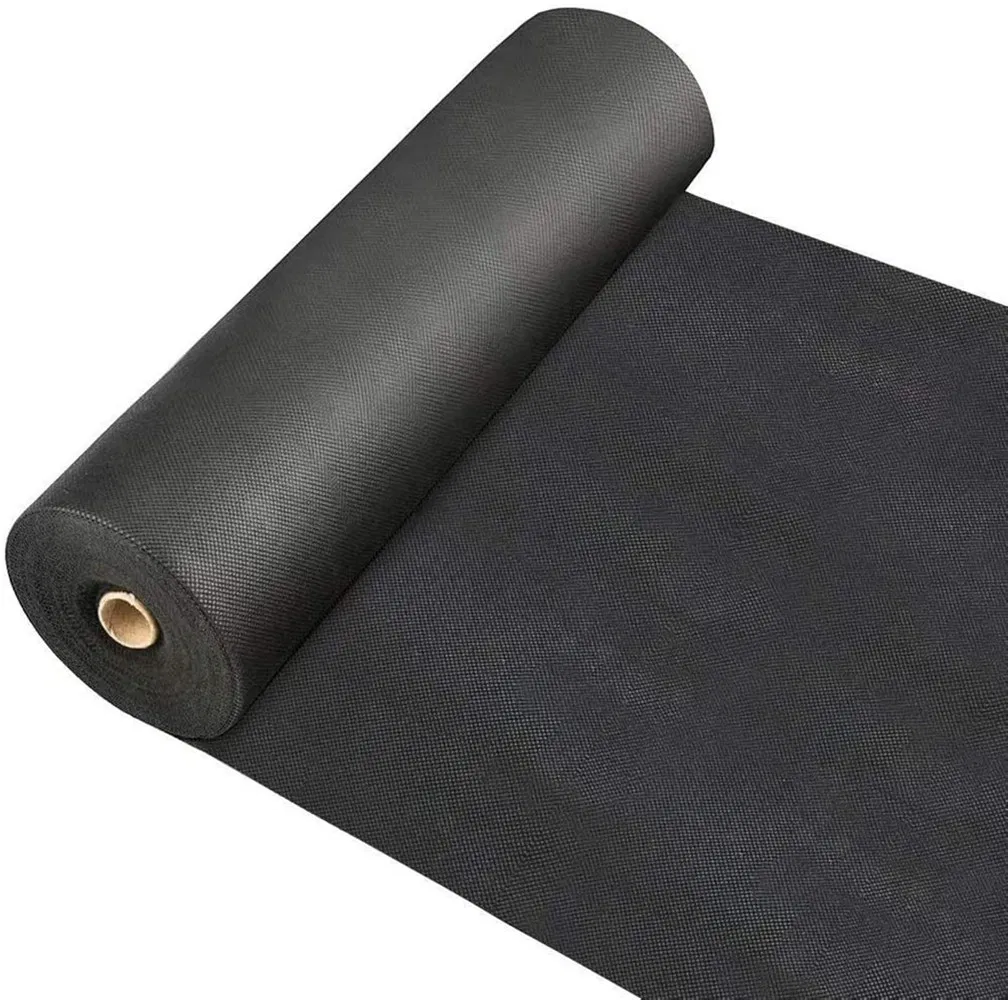 2.3 oz. Non-woven Fabric Weed Barrier Landscape$23.99View on Mallflare
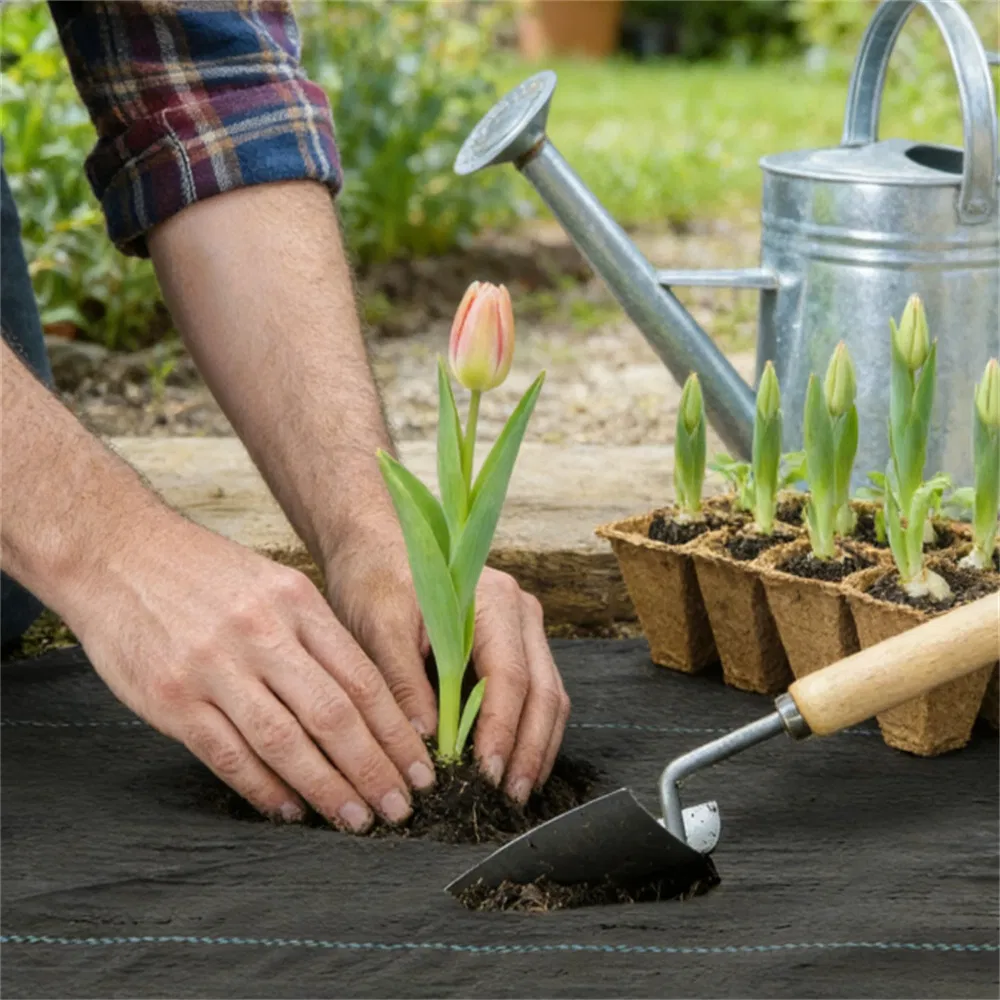 Weed Barrier Landscape Fabric$93.99View on Mallflare
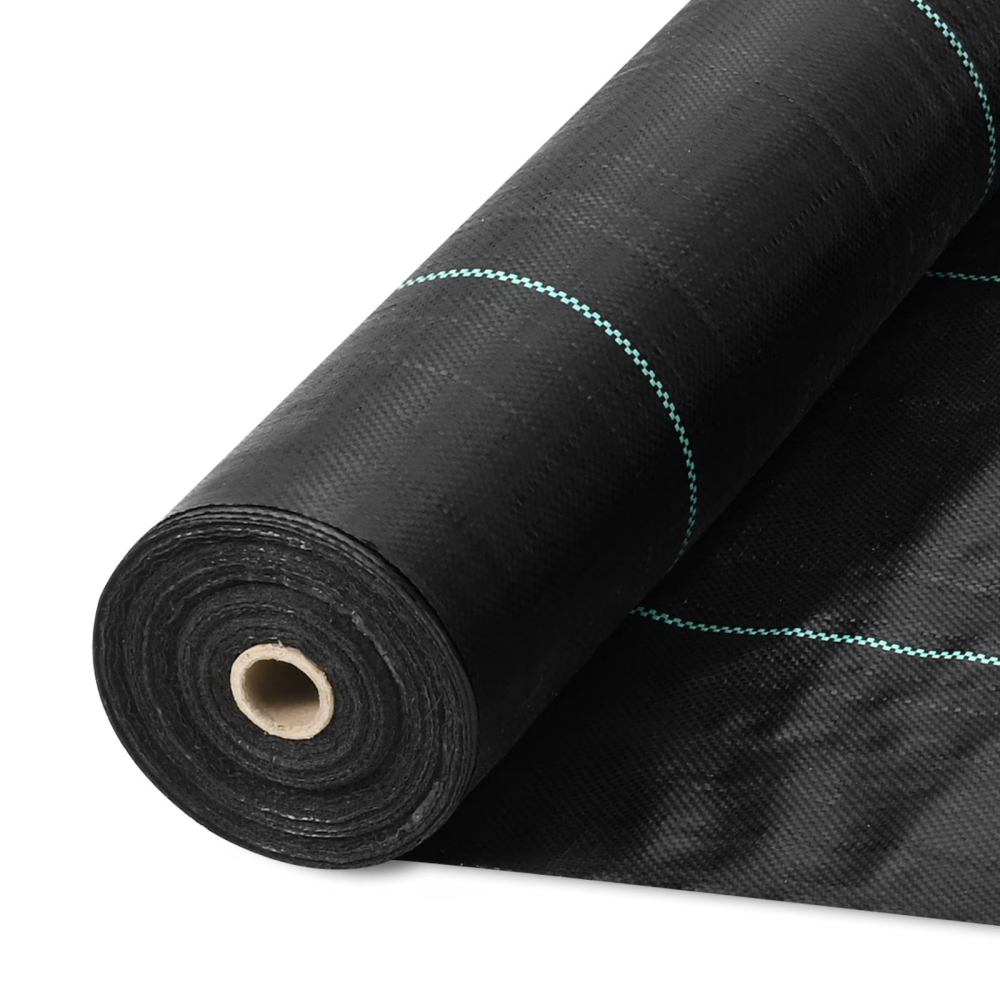 3.2OZ Woven Weed Barrier Landscape Fabric 6 x 100FT, High Permeability Control Mat with Green Guide Lines, Heavy Duty Garden Ground Cover for Flower Bed Driveway Agriculture$99.99View on Mallflare
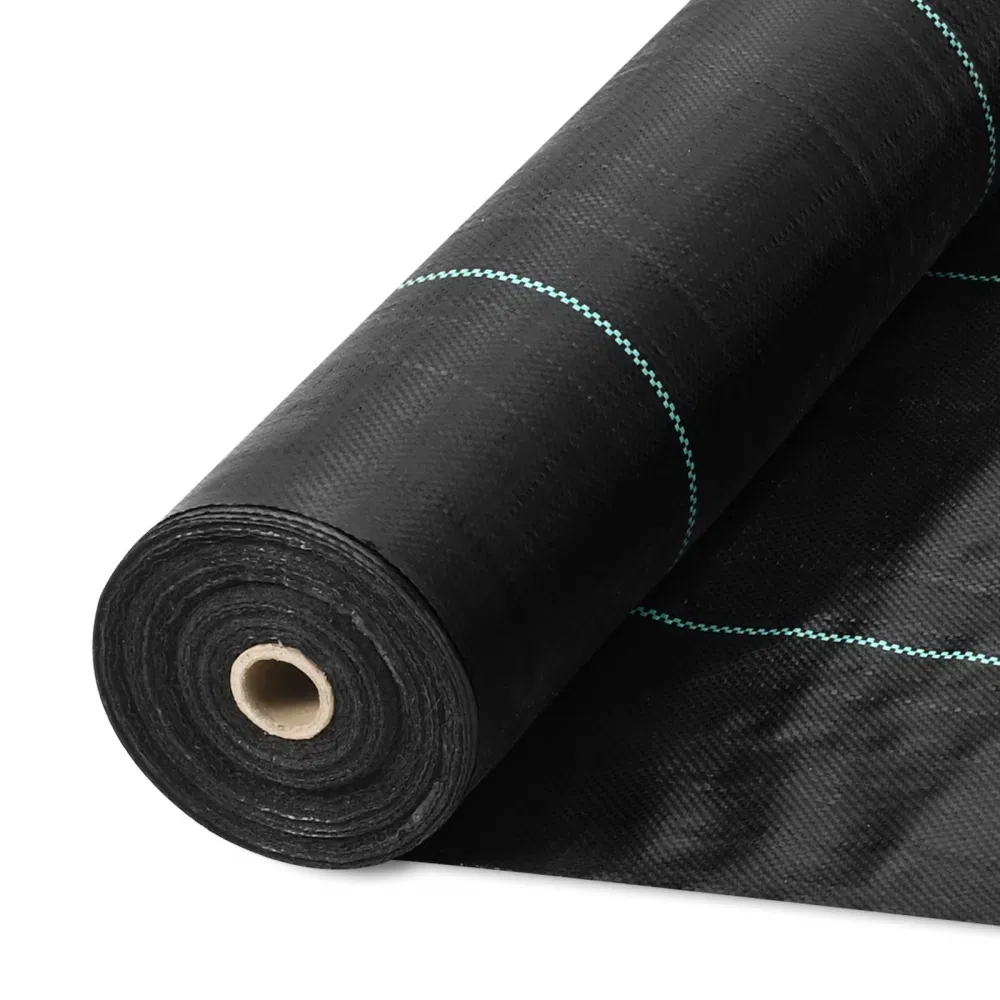 3.2OZ Woven Weed Barrier Landscape Fabric 6 x 100FT, High Permeability Control Mat with Green Guide Lines, Heavy DutyGardenGround Cover for Flower Bed Driveway Agriculture$104.99View on Mallflare
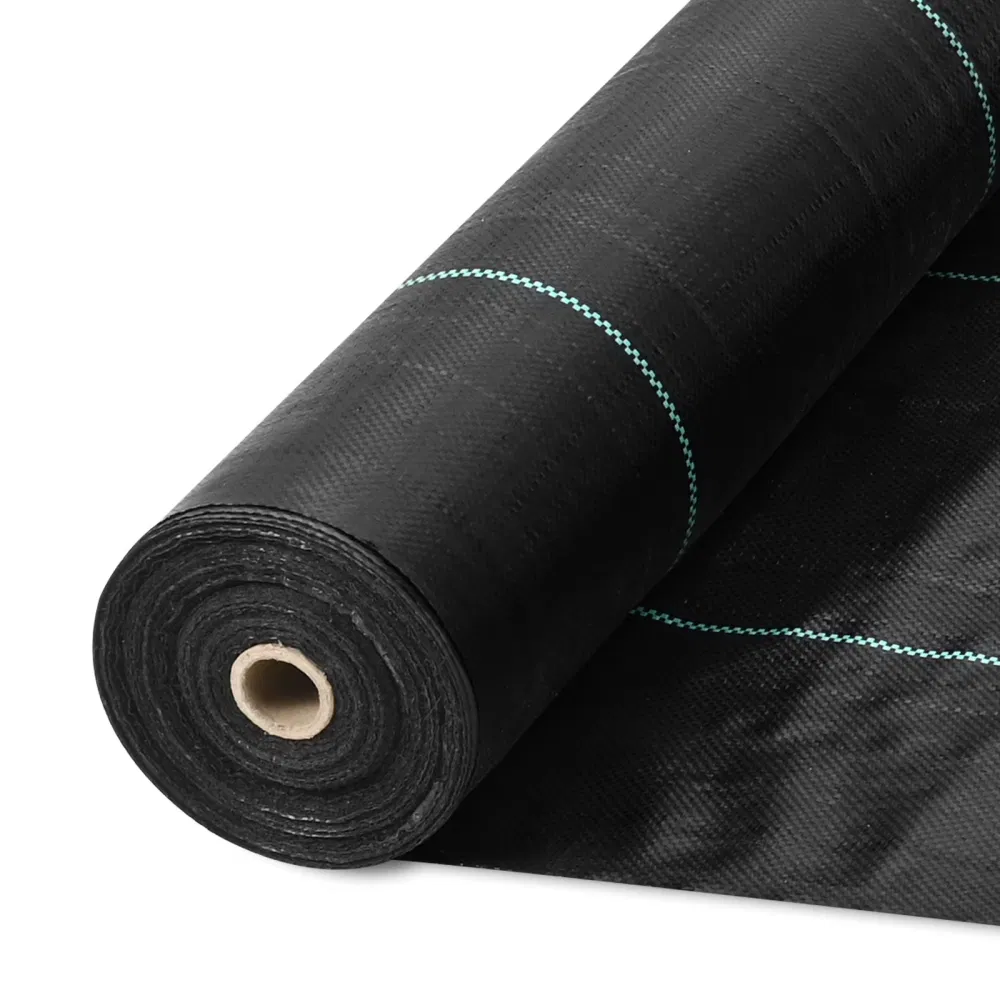 Weed Barrier Landscape Fabric 6x100ft, 3.2oz Heavy Duty Woven PP Geotextile Control Mat, High Permeability for Flower Beds and Gardens, Black$106.99View on Mallflare
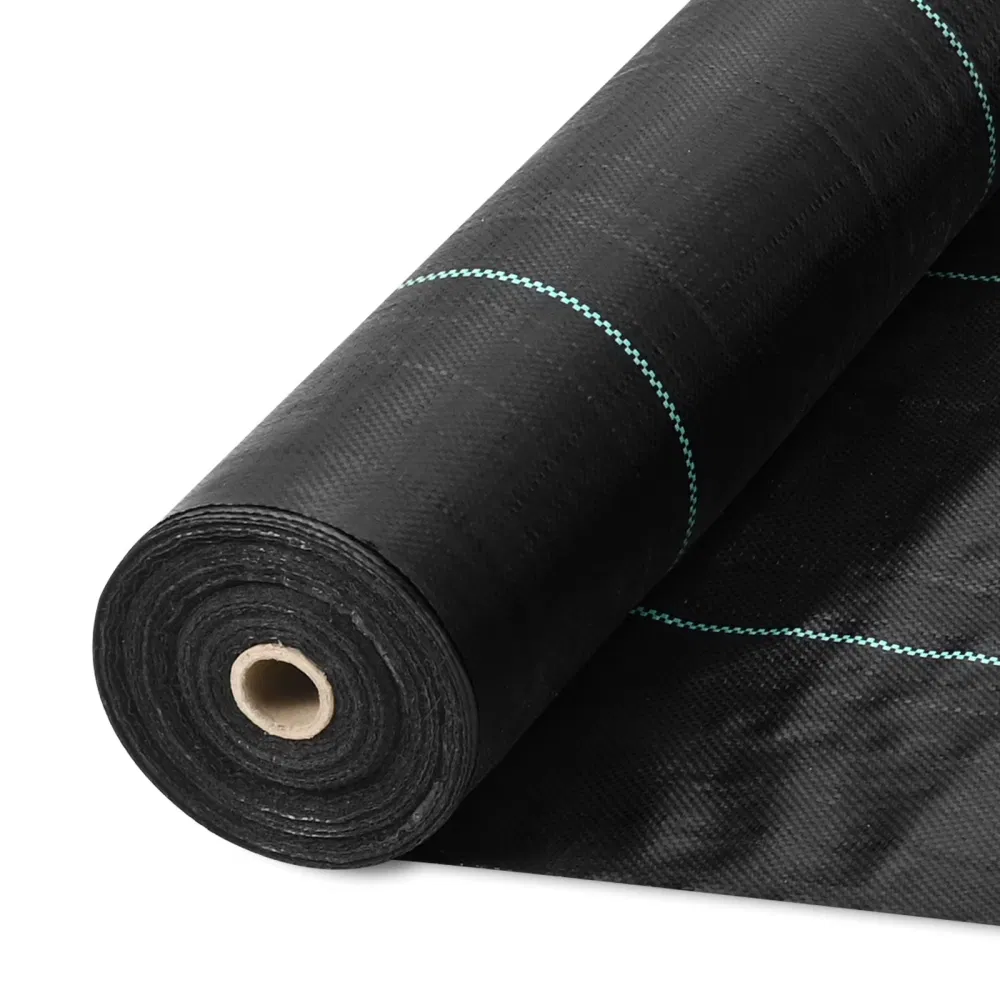 Weed Barrier Landscape Fabric 4x300ft, 3.2oz Heavy Duty Woven PP Geotextile Control Mat, High Permeability for Flower Beds and Gardens, Black$111.99View on Mallflare
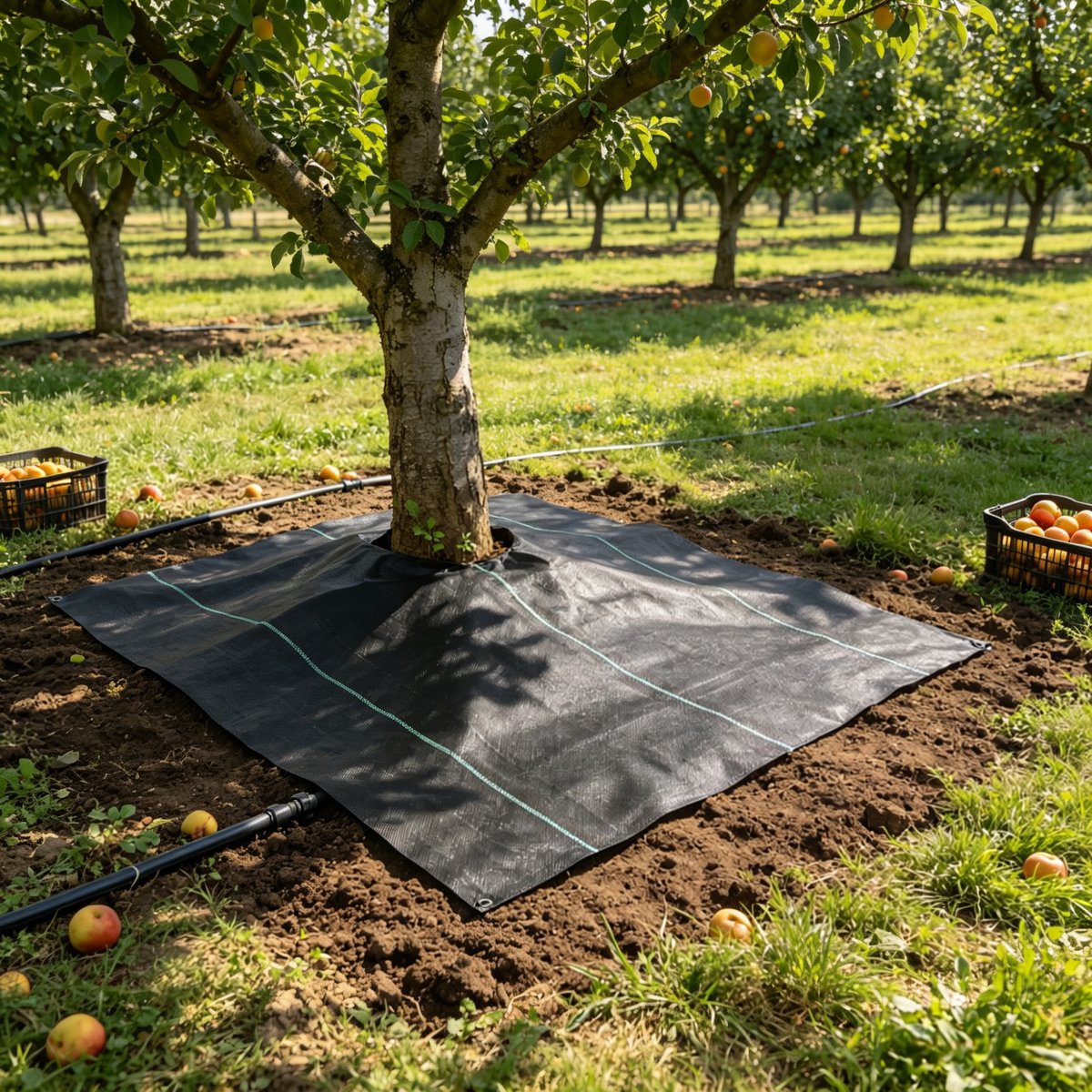 4FT x 300FT Weed Barrier Landscape Fabric, High Permeability Mat for Garden & Driveway$119.99View on Mallflare
Highlights
- Woven PP geotextile at 3.2 oz (≈108 gsm) delivers 100–150 lb/in grab tensile strength—adequate for foot traffic and gravel confinement but prone to UV degradation after 1–2 seasons of direct sun.
- 5 oz woven PP (≈170 gsm) raises puncture resistance and tear strength by roughly 40–60%, extending service life to 3–5 years when covered by mulch or gravel.
- Non-woven needle-punched fabric offers superior water flow (>100 gpm/ft²) and soil filtration but has lower tensile strength; it is the correct choice under paver joints and French drains, not under driveway gravel.
- UV stabilization is the hidden differentiator: fabric labeled for 3–5 year exposure uses hindered amine light stabilizers; unlabeled black woven PP can embrittle and shred within 12 months of direct sunlight.
Best use cases
- Vegetable garden rows: choose 3.2 oz woven PP in 3–4 ft widths for annual rotation—it blocks weeds, lets rain and drip irrigation through, and is affordable enough to replace when crop rotation demands. Skip 5 oz here; the extra cost is wasted under annual tillage.
- Gravel driveway or parking pad: specify 5 oz woven PP or a woven/non-woven composite; 3.2 oz will puncture under vehicle loads and migrate into the gravel. Non-woven alone is wrong here—it clogs with fines and loses separation function.
- Flower beds and foundation plantings: use 3.2 oz woven PP covered by 2–3 in of mulch; it suppresses weeds for 2–3 seasons. Do not use non-woven fabric exposed to sunlight—it photodegrades faster than stabilized woven PP.
- French drains and retaining wall filter layers: select non-woven geotextile (8–12 oz equivalent) for soil retention and high flow; woven PP is the wrong fit because it can blind (clog) under fine silt.
Buying tips
- Match weight to load: 3.2 oz woven PP for pedestrian beds and garden paths; 5 oz woven PP or 4–6 oz non-woven for gravel driveways, RV pads, and under pavers.
- Calculate roll size with 10% overlap: for a 4 ft wide bed, a 3 ft roll leaves insufficient overlap—choose 4 ft width and overlap seams 6 in; for large areas, 6 ft or 12 ft widths reduce seam count and labor.
- Verify UV rating for exposed installations: fabric left uncovered must state a UV stabilization period (e.g., 3–5 years); buried applications do not require UV rating, so 3.2 oz woven PP is acceptable under 2 in of mulch.
- Check permeability: woven PP should pass >20 gpm/ft²; non-woven >100 gpm/ft². Low-permeability fabric causes ponding and root rot in vegetable beds—avoid spunbond fabrics without perforation.
Specs
| Fabric Type | Woven PP / Non-woven geotextile |
|---|---|
| Weight Class | 3.2 oz (108 gsm) vs 5 oz (170 gsm) |
| UV Stabilization | 3-5 yr stabilized vs unrated |
| Permeability | >20 gpm/ft² woven; >100 non-woven |
Related searches
What to check before buying
- Measure bed length and width, then add 10% for overlap and 6 in per side for burial; a 3x100 ft roll covers roughly 270 ft² after overlap—confirm it matches your area.
- Confirm ground cover: fabric under mulch needs 3.2 oz woven PP; under gravel or rock needs 5 oz woven or composite; exposed to sun needs explicit UV stabilization.
- Check soil drainage: if your soil is clay-heavy, use high-permeability woven PP (>20 gpm/ft²) and avoid non-woven that can seal the surface; for sandy soil, non-woven filtration is acceptable under hardscape.
- Plan edge restraint: loose fabric edges require landscape staples every 3–4 ft; on slopes, increase staple density and consider 6 in burial trench to prevent washout.
FAQ
Data sources: eBay / Amazon listings and product attribute feeds. Updated Nov 28, 2026.
Some links on this page are affiliate links. If you buy after clicking one, we may earn a commission at no extra cost to you. This does not change which products appear here or their order. Affiliate disclosure.