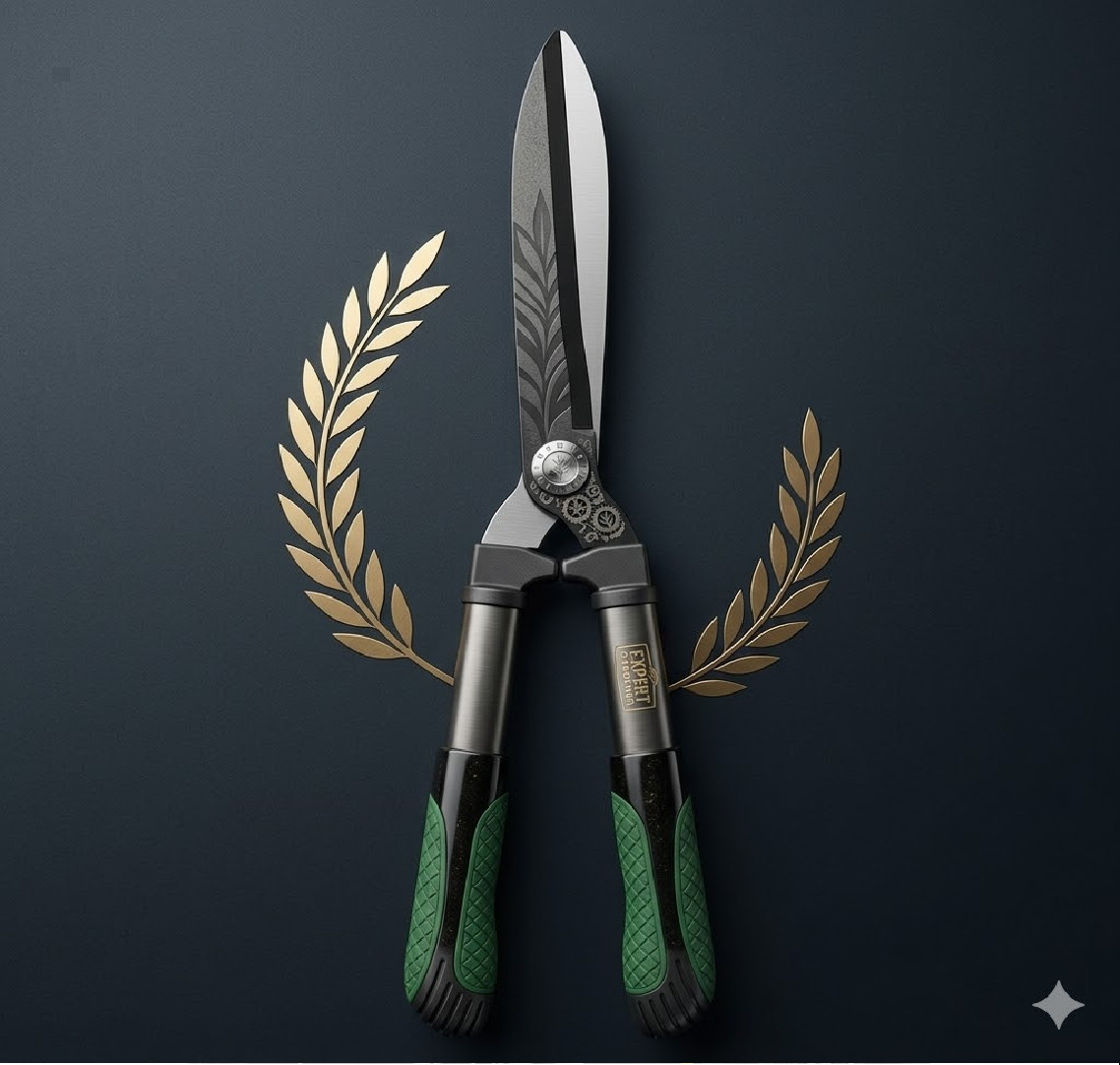

Photos from current listings. Actual item, color, and included accessories may vary.
Hedge Trimmer Buying Guide
Hedge trimmers span manual shears, gas-powered units, and corded/cordless electric models, with the core trade-off between cutting power for thick branches versus weight, noise, and runtime. Choose manual shears for light shaping and small gardens, electric for most residential hedges, and gas or high-torque cordless for dense or overgrown growth. The decisive rule: match the cutting mechanism and power source to branch diameter and hedge length—anything under 3/8-inch is shear or light electric territory, while 1/2-inch-plus demands geared loppers, gas, or brushless cordless with a narrow-gap blade.
Median $24.49
Key takeaways
- Manual hedge shears use 8-10 inch carbon or high-carbon steel blades with a 1-2 inch cut capacity; bypass (scissor) action cleanly slices green stems, while anvil action crushes and is for dry wood only.
- Electric corded trimmers run 3-4 A motors with 20-24 inch double-sided blades; cordless models use 18-40 V batteries, where brushless motors add 20-30% runtime and torque over brushed equivalents.
- Gas hedge trimmers typically use 21-25 cc 2-cycle engines with 24-30 inch blades and a 3/4-1 inch cut capacity, but add 12-15 lbs, vibration, and fuel mixing versus electric.
At a glance
- Category
- Garden Tools
- Last updated
- Nov 28, 2026
Current offers
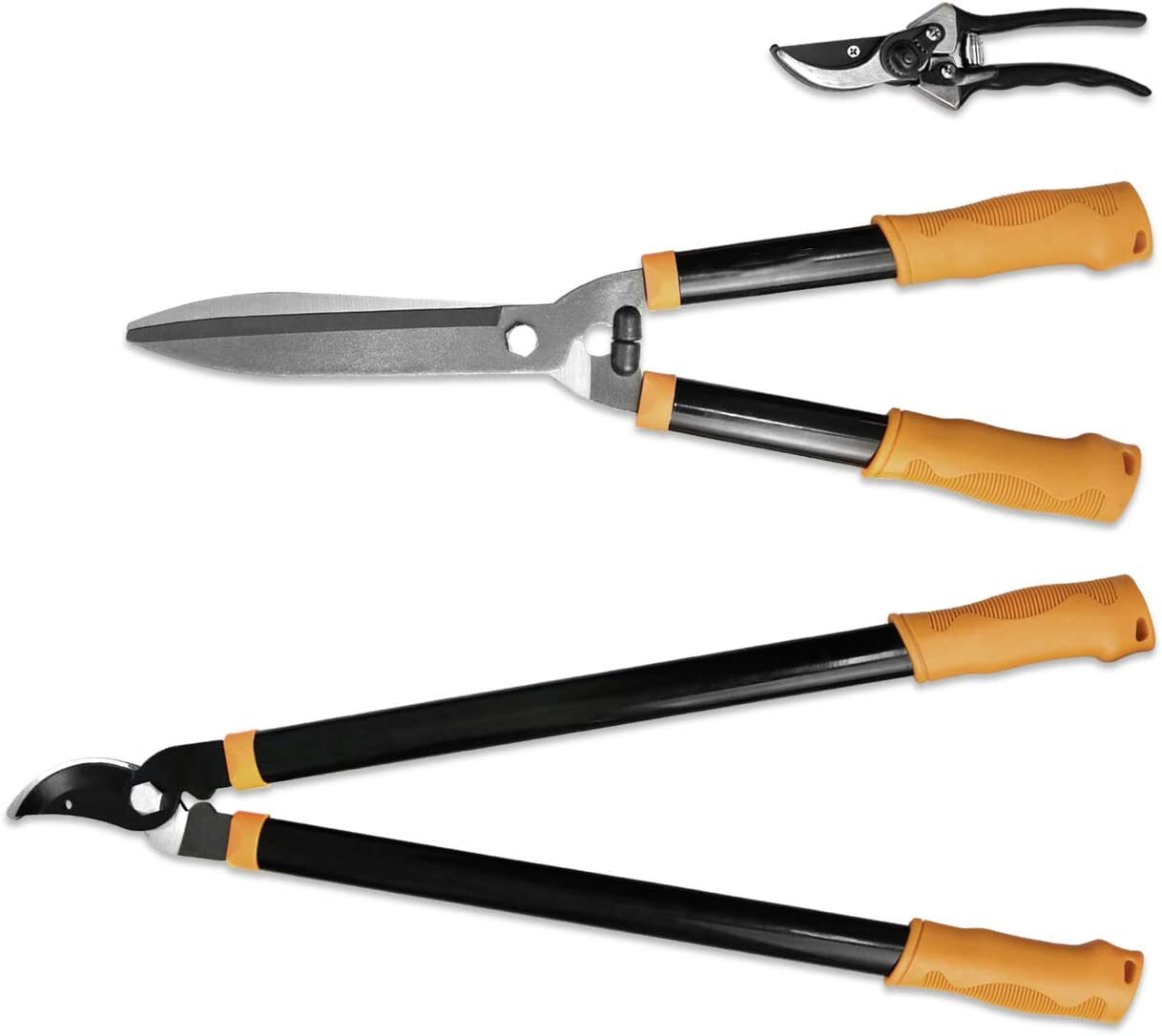
Highlights
- Manual hedge shears use 8-10 inch carbon or high-carbon steel blades with a 1-2 inch cut capacity; bypass (scissor) action cleanly slices green stems, while anvil action crushes and is for dry wood only.
- Electric corded trimmers run 3-4 A motors with 20-24 inch double-sided blades; cordless models use 18-40 V batteries, where brushless motors add 20-30% runtime and torque over brushed equivalents.
- Gas hedge trimmers typically use 21-25 cc 2-cycle engines with 24-30 inch blades and a 3/4-1 inch cut capacity, but add 12-15 lbs, vibration, and fuel mixing versus electric.
- Blade gap and tooth spacing determine thick-branch capability: standard 5/8-inch gaps handle twigs, while 1-inch gaps and hardened teeth are required for 1/2-inch-plus branches.
Best use cases
- Choose manual bypass hedge shears (20-22 inch, 8-10 inch blades) for boxwood, privet, and small topiary under 1/2-inch stems where quiet, precise shaping matters more than speed.
- Choose a corded electric trimmer (20-24 inch blade, 3-4 A) for continuous trimming of long residential hedges up to 1/2-inch branches within reach of an outlet; skip if your hedge is beyond 100 feet of cord.
- Choose a brushless cordless trimmer (18-40 V, 22-26 inch blade) for medium hedges up to 3/4-inch branches where portability and low noise are priorities; buy a second battery for runs over 45 minutes.
- Choose a gas trimmer (21-25 cc, 24-30 inch blade) or geared loppers for overgrown hedges with 1/2-1 inch branches and no access to power; skip for light shaping where weight and fumes are drawbacks.
Buying tips
- Match blade length to hedge height: a 20-24 inch blade suits hedges up to 5 feet tall, while 26-30 inch blades reduce reach strain on taller or wider hedges.
- For branches over 1/2 inch, use a geared lopper or a trimmer rated at 3/4-1 inch cut capacity; standard hedge trimmer teeth will stall or damage the blade.
- Choose bypass (scissor) blades for live growth and anvil blades only for dead wood; carbon steel blades hold an edge longer but require drying and oiling after each use.
- Cordless runtime scales with voltage and battery amp-hours: a 2.0 Ah battery at 18 V gives roughly 30-45 minutes of light trimming, so step up to 4.0 Ah for larger gardens.
Specs
| Power Source | Manual / Corded / Cordless / Gas |
|---|---|
| Cut Capacity | 1/4-1 in depending on type |
| Blade Length | 8-30 in (manual to gas) |
| Blade Action | Bypass vs Anvil |
Related searches
What to check before buying
- Measure your hedge's branch diameter with a caliper or ruler; if any stems exceed 1/2 inch, plan for a lopper or high-torque trimmer instead of standard shears.
- Confirm your outdoor power setup: corded trimmers need an outdoor GFCI outlet and a 12-14 AWG extension cord within 100 feet; gas needs fresh fuel and a ventilated storage spot.
- Check blade replacement and sharpening support—standard 20-24 inch blades and common battery platforms (18 V, 20 V, 40 V) are easier to maintain long-term.
- Verify the trimmer's weight against your endurance: manual shears run 2-3 lbs, cordless 6-9 lbs, and gas 12-15 lbs; choose the lightest option that meets your branch size.
FAQ
Data sources: eBay / Amazon listings and product attribute feeds. Updated Nov 28, 2026.
Some links on this page are affiliate links. If you buy after clicking one, we may earn a commission at no extra cost to you. This does not change which products appear here or their order. Affiliate disclosure.