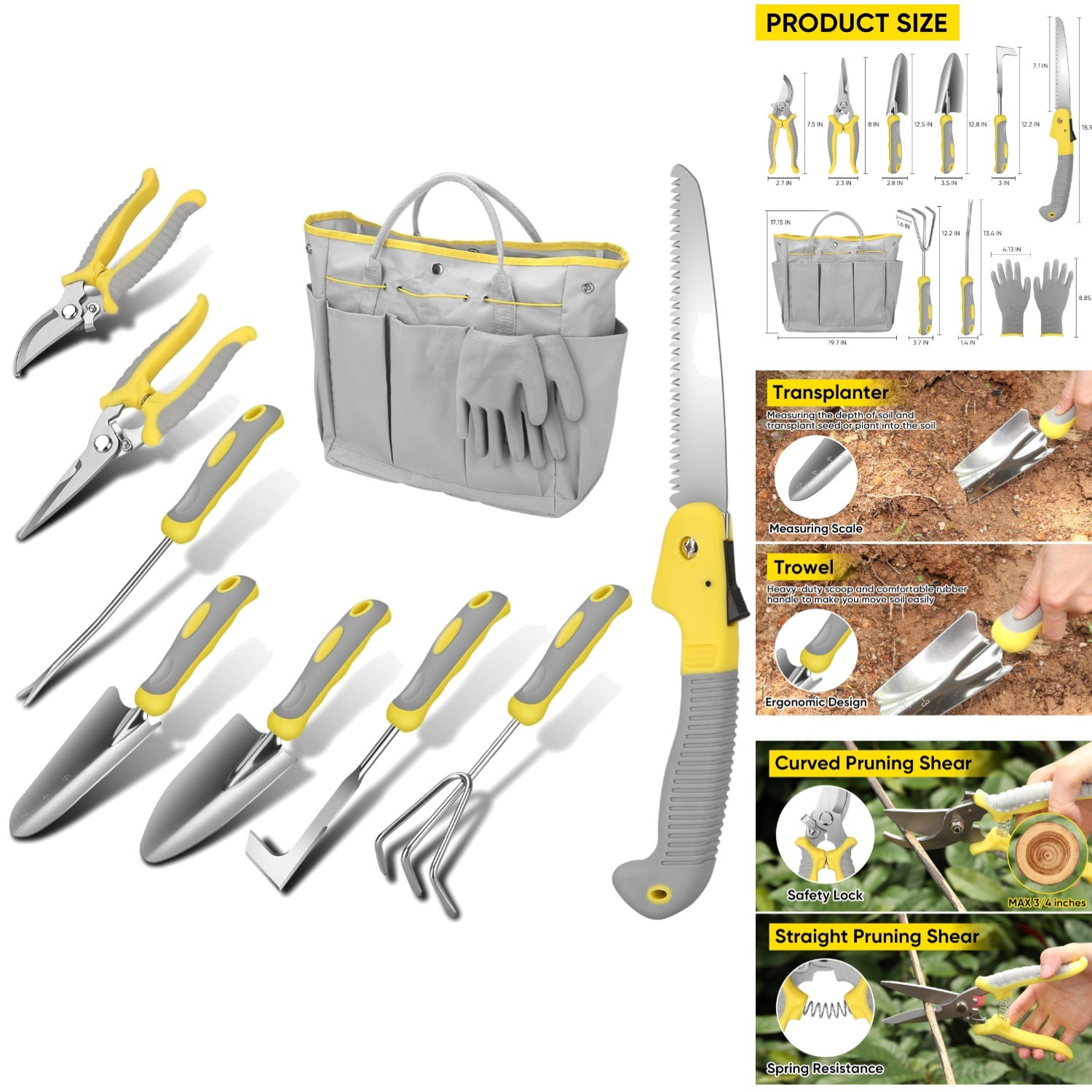

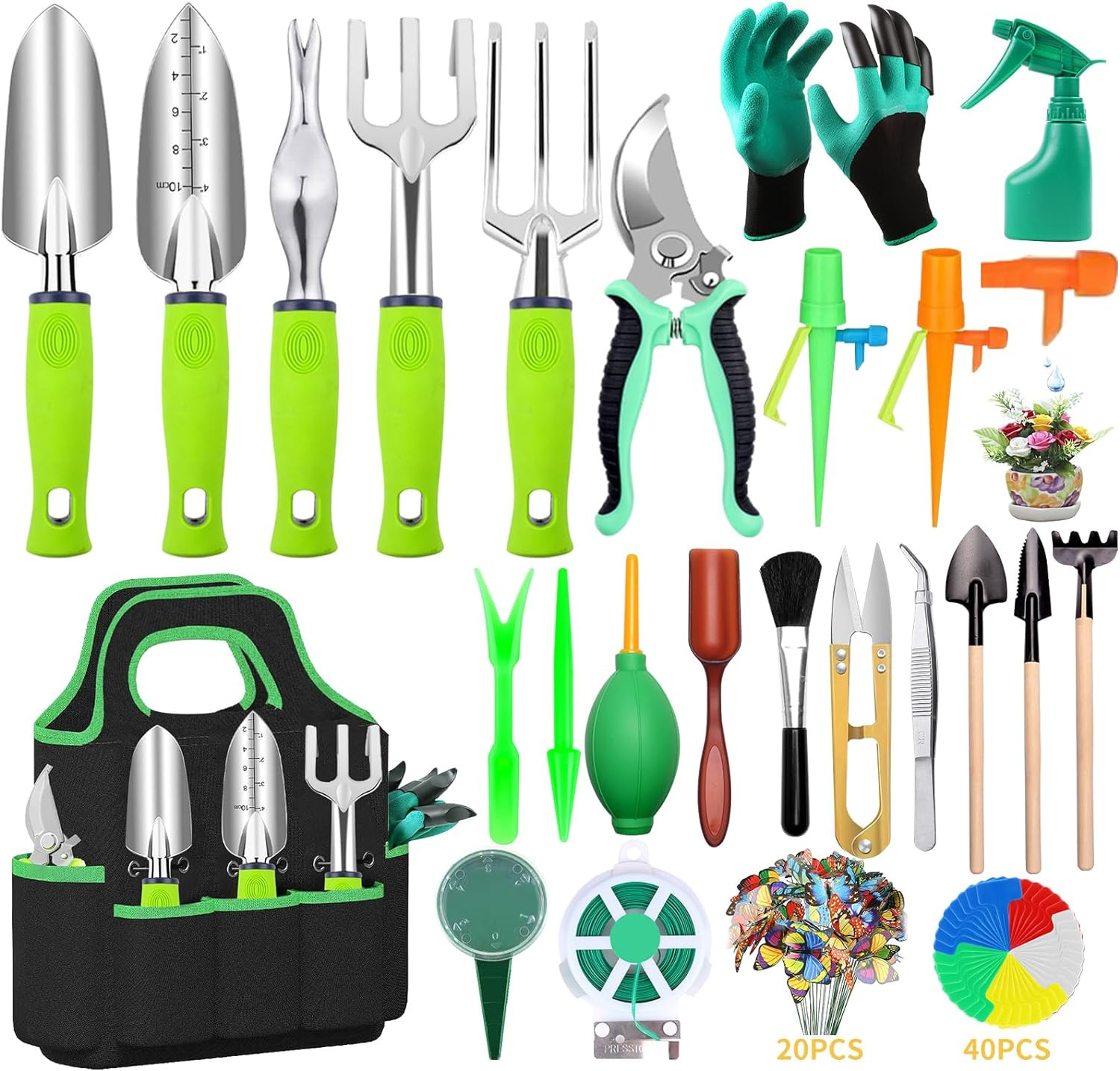
Photos from current listings. Actual item, color, and included accessories may vary.
Heavy Duty Gardening Glove Buying Guide
Heavy-duty gardening gloves are puncture- and abrasion-resistant hand protection built for thorny pruning, rocky soil, and tool handling — not light seed sowing. The core trade-off is dexterity versus defense: thicker leather or coated palms resist cuts and moisture but reduce feel, while thin nitrile dips breathe and flex but wear through fast. Buy leather-palm or reinforced synthetic gloves with rated puncture resistance for real yard work, and skip cotton or single-dip garden gloves for anything involving thorns, glass, or heavy lifting.
Median $42.04
Key takeaways
- Palm material drives durability: full-grain goat/cowhide resists thorns and abrasion; nitrile or polyurethane dips add grip but thin quickly at fingertips.
- Puncture rating follows ANSI/ISEA 105 levels (A1–A9); thorn-proof gardening gloves typically target A3–A4, while standard cotton gloves sit at A1.
- Gauntlet cuffs (4–8 in) protect wrists and forearms from rose thorns and bramble scratches; short knit cuffs are for light planting only.
At a glance
- Category
- Garden Tools
- Last updated
- Nov 28, 2026
Current offers
Highlights
- Palm material drives durability: full-grain goat/cowhide resists thorns and abrasion; nitrile or polyurethane dips add grip but thin quickly at fingertips.
- Puncture rating follows ANSI/ISEA 105 levels (A1–A9); thorn-proof gardening gloves typically target A3–A4, while standard cotton gloves sit at A1.
- Gauntlet cuffs (4–8 in) protect wrists and forearms from rose thorns and bramble scratches; short knit cuffs are for light planting only.
- Reinforced saddle and fingertip overlays on leather gloves extend wear life 2–3x versus unlined leather; double-stitched seams prevent blowouts at stress points.
Best use cases
- Thorny pruning (roses, brambles, cactus): choose gauntlet-cuff goat-grain leather with ANSI A3+ palm; skip thin nitrile-dip gloves that thorns pierce instantly.
- Wet/muddy digging and concrete work: pick fully nitrile-coated or rubberized palms with waterproof backing; standard leather hardens and cracks when soaked.
- Tool-heavy tasks (shovels, loppers, wheelbarrows): select close-fitting synthetic leather with padded palm and adjustable wrist strap for grip and blister control; loose cotton gloves slip.
- Light seeding and potting only: breathable knit or nitrile-dip gloves are fine — heavy leather gauntlets are overkill and reduce fine dexterity.
Buying tips
- Size by hand circumference, not 'large': measure dominant hand around the knuckles; 8 in = M, 9 in = L, 10 in = XL (US glove sizing).
- Look for full-grain or top-grain leather palms over split leather; split leather is weaker and stiffens after getting wet.
- Choose nitrile or polyurethane coatings for wet grip; latex dips degrade and cause allergies for repeated use.
- Prefer gloves with reinforced thumb crotch and double-stitched seams — these are the first failure points on cheap gardening gloves.
Specs
| Palm Material | Goat/cowhide vs nitrile dip |
|---|---|
| Puncture Rating | ANSI/ISEA 105 A1–A4 |
| Cuff Type | Gauntlet 4–8 in vs short knit |
| Water Resistance | Waterproof backing vs breathable |
Related searches
What to check before buying
- Measure hand circumference at the knuckles and compare to the glove size chart; a snug fit beats a loose gauntlet for control.
- Confirm cuff length matches your task: short knit for potting, 4–8 in gauntlet for roses and brambles.
- Check palm material and puncture rating (ANSI A-level) match the sharpest hazard you handle — thorns, glass, or metal edges.
- Verify the glove is machine-washable or hose-rinsable if working with mud, fertilizer, or pesticides; leather needs air-drying, not tumble drying.
FAQ
Data sources: eBay / Amazon listings and product attribute feeds. Updated Nov 28, 2026.
Some links on this page are affiliate links. If you buy after clicking one, we may earn a commission at no extra cost to you. This does not change which products appear here or their order. Affiliate disclosure.