Starting a First Garden: A Beginner-Friendly Explanation
A beginner-friendly overview of starting a garden in a yard or outdoor space, covering observation, soil, plant choices, watering, and simple upkeep.
Cover: https://vegogarden.com/collections/vego-garden-17-standard-kits/products/10-in-1-modular-metal-raised-garden-bed-kit · Wikimedia Commons · CC BY-SA 4.0
Question: How can a beginner start a garden in their yard or outdoor space?
Look at your space first
Before choosing plants or digging, spend time watching how light, wind, and moisture behave in the outdoor space. Direct sun, partial shade, and full shade all support different types of plants. Noticing where the ground stays wet after rain can also help a gardener decide where a planting bed might work best.
Pick a gardening style that fits
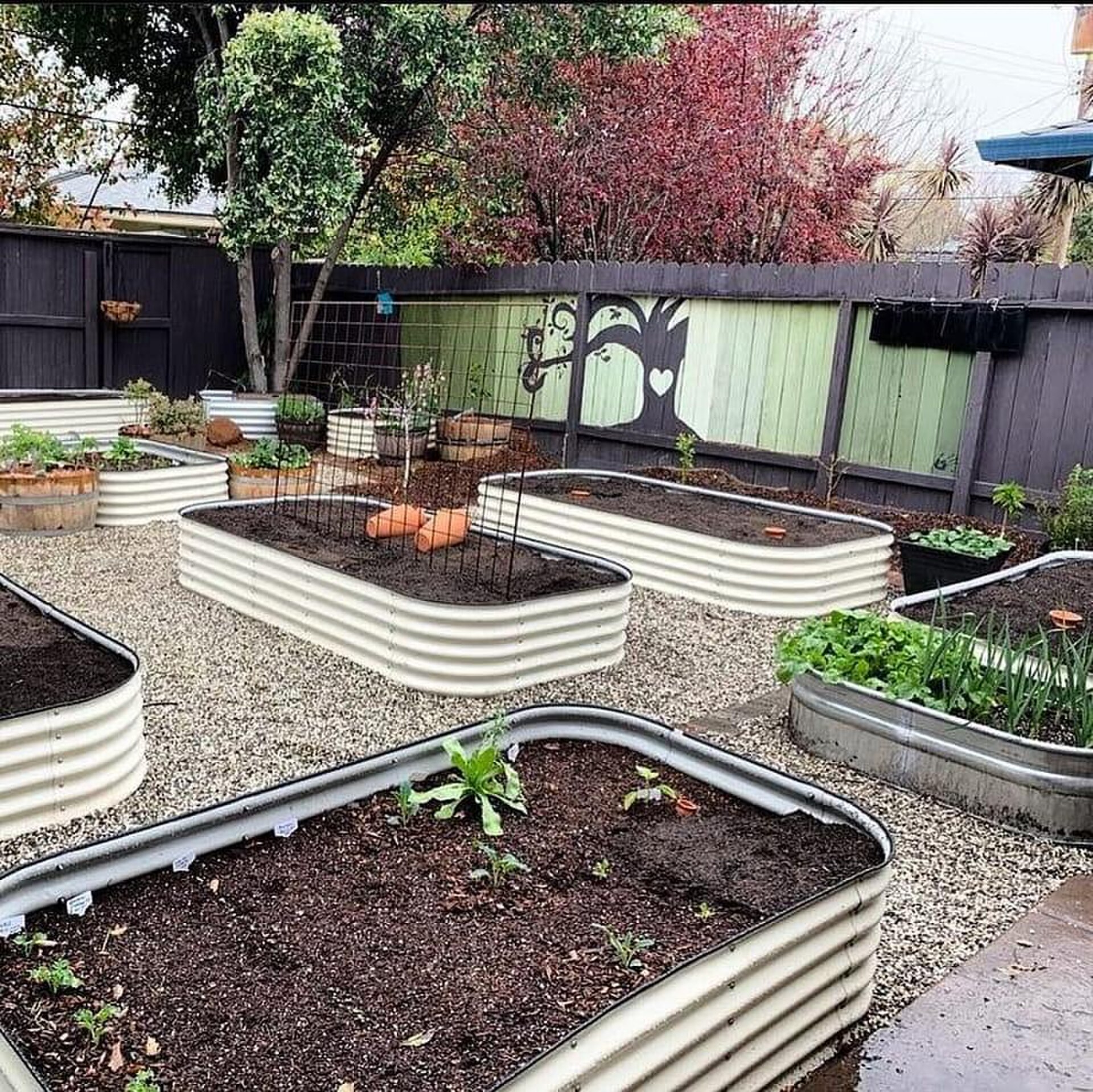
A garden can be made in the ground, in raised beds, or in containers on a porch or patio. Each method needs different amounts of planning and maintenance. Many beginners find it easier to start with a small raised bed or a few containers, because the space is manageable and can be changed as experience grows.
Prepare the soil
Soil is the base of a garden. Healthy soil often has a loose, crumbly texture and contains organic matter such as compost. Adding compost is a gentle way to improve soil structure and provide nutrients for plants. Some yards begin with heavy clay or very sandy soil, and organic material can help both extremes.
Choose first plants that are forgiving
Herbs, leafy greens, and certain hardy vegetables are popular choices for first-time gardeners because they grow quickly and tolerate a range of conditions. It is also helpful to choose plants that match the amount of sunlight available and that will be useful in the kitchen. Reading seed packets or plant tags gives clear clues about spacing and light requirements.
Water in a simple, steady way
Consistent moisture helps seeds germinate and young plants settle in. Watering deeply enough to reach the root zone encourages roots to grow downward. Before watering, many gardeners feel the soil just below the surface to see if it is dry. A layer of mulch can reduce evaporation and help suppress weeds.
Build a gentle care routine
A first garden improves with regular observation. Pulling weeds, checking leaves for insects, and noticing how plants respond to the weather are all part of caring for a space. Some plants may not thrive, and that is a normal part of learning. Keeping simple notes or photos from one season makes the next season easier.