Gardening Basics: A Beginner's Guide to Your First Yard or Outdoor Garden
A beginner-friendly overview of how to plan, plant, and maintain a small garden, covering sunlight, soil, easy crops, and watering basics.
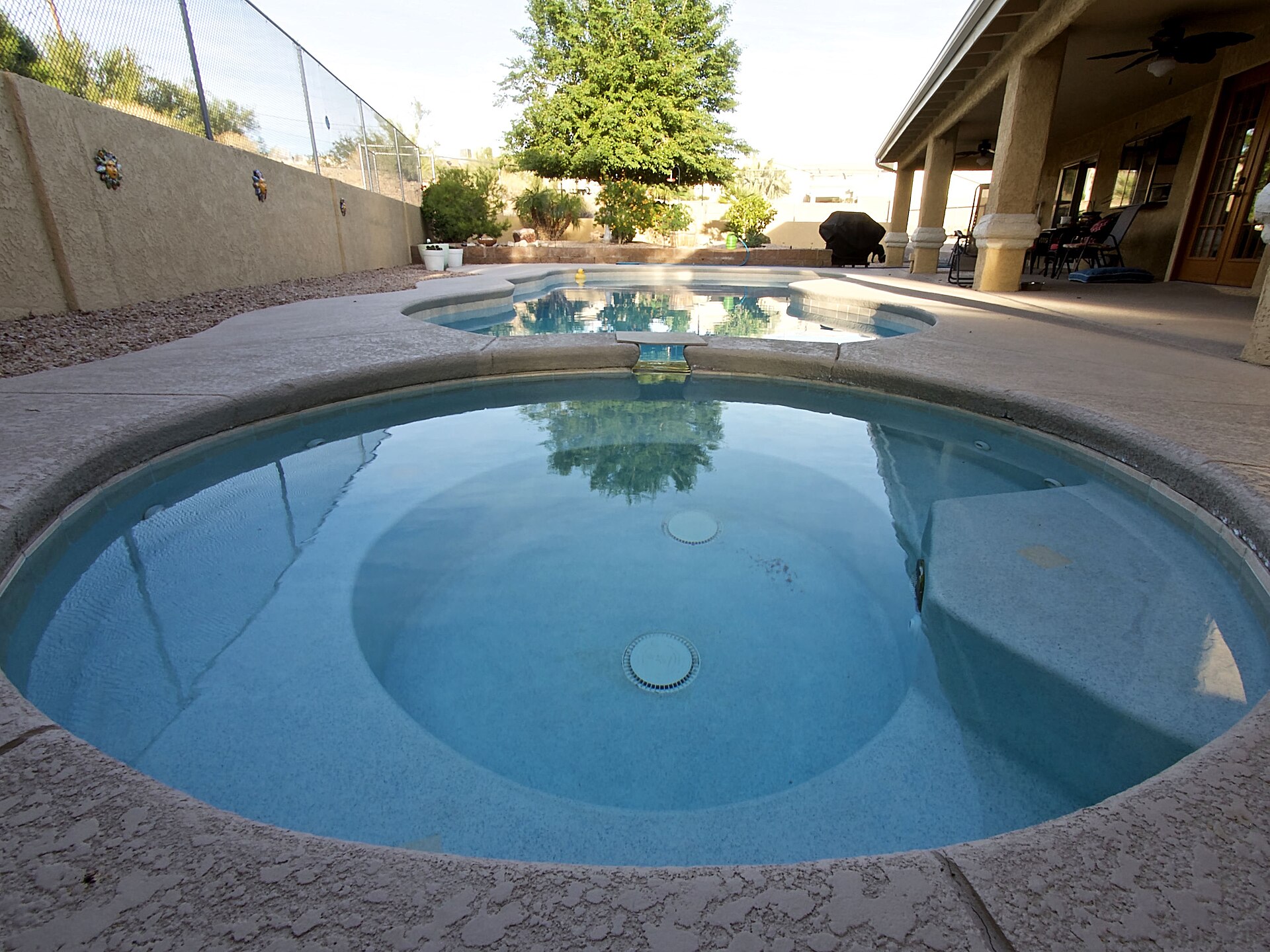
Cover: BACK YARD · Wikimedia Commons · CC BY-SA 2.0
Question: What are the basics a beginner should know before starting a garden?
Choose a suitable location
Most gardens do best where plants receive good direct light for much of the day. Observe the area at different times to see how shadows move. A spot near a water source makes watering easier, and some protection from strong winds can keep young plants from drying out. If the in-ground soil is poor or hard, a raised bed or large container allows you to control the growing environment.
Build healthy soil
Plants take up water and nutrients through their roots, so soil matters. A simple way to improve garden soil is to mix in organic matter such as compost or well-rotted leaf mould. This improves drainage in heavy soil and helps sandy soil hold moisture. Garden centers can test soil pH and nutrients, and many local extension services offer affordable soil tests. Adding organic mulch on top later also feeds the soil as it breaks down.
Start with forgiving plants
For a first garden, choose plants that are reliable in your climate and simple to grow. Leafy greens, radishes, beans, and herbs such as basil or parsley are common beginner choices because they sprout quickly and tolerate imperfect conditions. Check the plant tag or seed packet for spacing and harvest time, and plant at the season recommended for your area.
Water well and mulch
Newly planted seeds and transplants need consistent moisture, especially in the first weeks. Rather than splashing a little water every day, aim to soak the soil less often so roots grow deeper. A layer of mulch, such as straw, shredded leaves, or bark, keeps the soil cooler and reduces evaporation. Observing how the soil feels and how plants respond is better than following a fixed schedule.